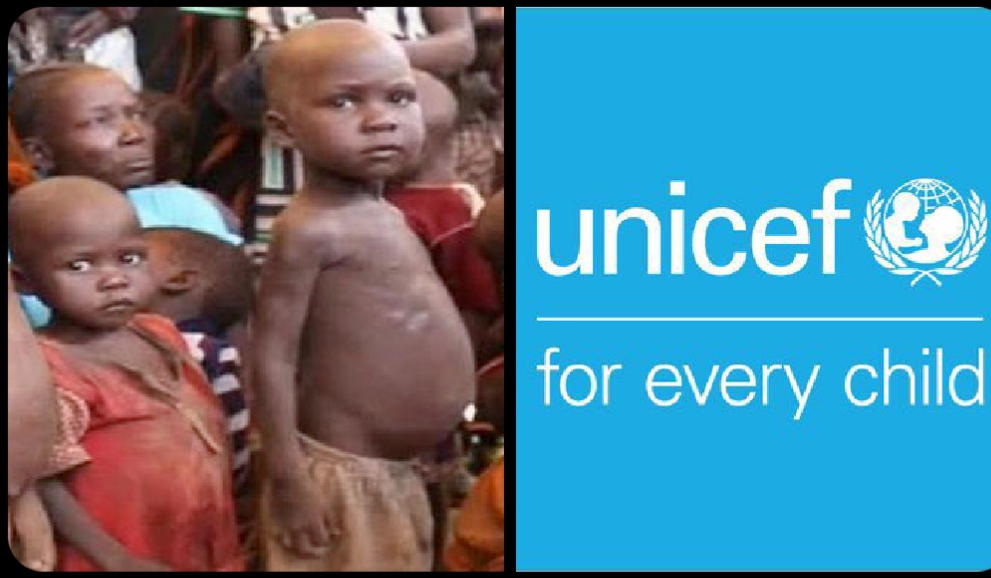
In a distressing revelation, the Peter Obi Grassroots Mobilization group announced on its official X handle a breaking report from UNICEF highlighting a dire humanitarian crisis in Zamfara State. According to UNICEF, a staggering 250,000 children in the state are battling severe acute malnutrition, a condition that poses an immediate threat to their survival if left unaddressed.
The report underscores the worsening plight of vulnerable children in a region already burdened by insecurity, displacement, and poverty. Severe acute malnutrition, a life-threatening condition caused by extreme nutrient deficiency, has become a silent epidemic, claiming the lives of countless children across northern Nigeria.
UNICEF has repeatedly warned that urgent intervention is needed to prevent an escalation of the crisis. The organization has called for increased funding, the provision of ready-to-use therapeutic foods (RUTF), and the implementation of community-based treatment programs to combat the alarming rates of malnutrition in Zamfara and other affected states.
This revelation has sparked outrage and concern among Nigerians, with many questioning the effectiveness of existing government policies aimed at addressing child health and nutrition. Humanitarian organizations and advocacy groups are now intensifying their calls for immediate action to save the lives of these children.
“These children are not just statistics; they are the future of our nation. Their suffering represents a moral and humanitarian failure that we must confront head-on,” read part of the statement issued by the Peter Obi Grassroots Mobilization.
The crisis in Zamfara is emblematic of broader systemic challenges in Nigeria’s health and food security sectors. Experts point to factors such as poor governance, limited access to healthcare, and the persistent threat of banditry and insurgency, which have disrupted agricultural activities and displaced countless families.
As the story gains traction, stakeholders at the local, national, and international levels are urged to collaborate in addressing this humanitarian disaster. The plight of Zamfara’s children is a stark reminder that urgent, coordinated action is critical to reversing the tide of malnutrition and ensuring a healthier, brighter future for the next generation.
For now, the eyes of the nation—and the world—are on Zamfara, hoping for swift and decisive intervention to save these innocent lives.
 PIONEER NEWS