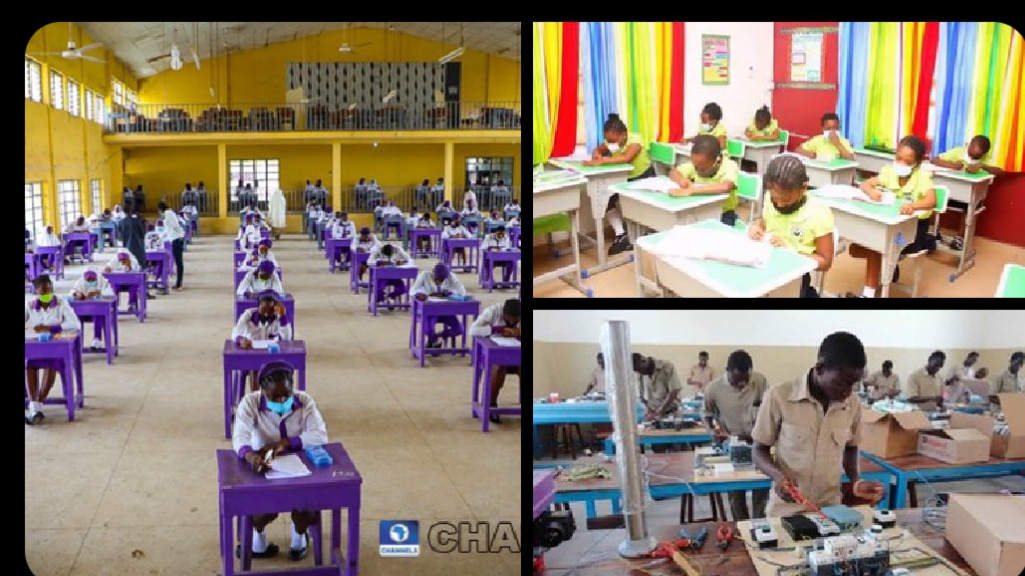
In a bold move to redefine the Nigerian educational landscape, the Federal Government has announced the inclusion of practical, skill-based courses in the curriculum for primary and secondary schools across the country. The groundbreaking decision was revealed through the official X (formerly Twitter) handle of Nigerian Stories, marking a significant shift towards equipping young Nigerians with hands-on skills to thrive in a competitive world.
The new additions to the curriculum include interior design, GSM repairs, plumbing, hairstyling, and make-up artistry. These courses aim to foster creativity, entrepreneurship, and technical expertise among students, complementing traditional academic subjects.
The government’s initiative underscores its commitment to bridging the gap between education and employability, ensuring that students are not only academically inclined but also skilled in trades that can serve as sources of income. This move is particularly significant as Nigeria continues to grapple with high youth unemployment rates.
Educational experts and stakeholders have praised the decision as a forward-thinking step that aligns with global trends in skill acquisition. “This is a game-changer,” said Dr. Aisha Bello, an education policy analyst. “Integrating these skills into the school system will not only prepare students for the workforce but also instill a culture of self-reliance and innovation from a young age.”
Parents and guardians have expressed mixed reactions to the development. While many are optimistic about the opportunities this curriculum will provide, some have raised concerns about implementation, including teacher training and the provision of necessary infrastructure.
The Federal Government has assured the public that adequate measures will be put in place to ensure a seamless rollout. Speaking on the initiative, the Minister of Education emphasized that this curriculum reform is part of a broader strategy to align Nigeria’s education system with the realities of a modern economy.
As schools prepare to adopt these changes, the nation watches closely, hoping this transformative step will pave the way for a generation of self-sufficient, skilled, and empowered youths ready to shape Nigeria’s future.
This is more than an educational reform; it is a visionary leap toward redefining learning and equipping young Nigerians to be creators, problem-solvers, and entrepreneurs.
 PIONEER NEWS