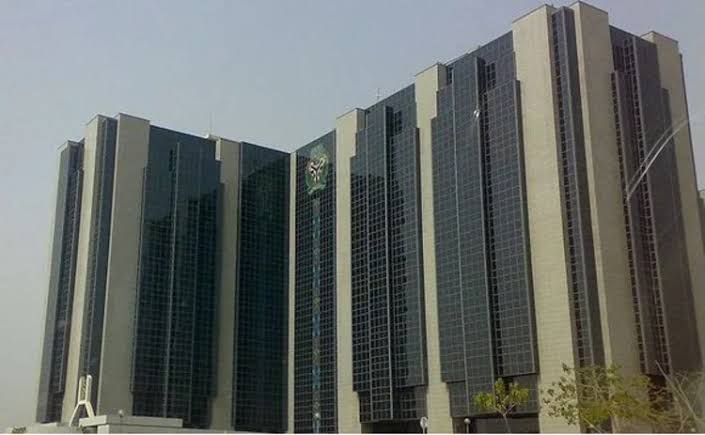
Nigerian Stories has reported via its official X handle that the Central Bank of Nigeria (CBN) is optimistic about the nation’s economic trajectory, forecasting a significant decline in inflation and projecting economic growth of 4.1% by the end of the year. This announcement has sparked discussions across economic and political circles, with many hoping for relief amid lingering economic pressures.
The CBN’s bold projection comes at a critical time for Nigeria, as the nation battles with the ripple effects of global economic challenges and domestic fiscal pressures. A growth rate of 4.1% would mark a rebound for Africa’s largest economy, signaling improved economic stability and increased investor confidence.
Economic experts are cautiously optimistic, noting that achieving this target will depend heavily on several factors, including fiscal discipline, the implementation of monetary policies, and the success of ongoing reforms in critical sectors such as energy, infrastructure, and agriculture.
The projected decline in inflation is particularly noteworthy, as Nigerians have struggled with skyrocketing prices of goods and services in recent years. If realized, this could offer much-needed relief to households and businesses, easing the financial burden on millions across the country.
A financial analyst, Tunde Olanrewaju, applauded the CBN’s forecast, stating, “This projection is a positive signal to investors and the international community. However, the government must back it with policies that promote job creation, foreign direct investment, and export diversification.”
The Central Bank’s announcement also underscores its commitment to stabilizing the naira and managing monetary policy effectively. Analysts suggest that the apex bank’s interventions, including targeted funding for critical sectors and tightening of monetary policy to curb inflation, could play a pivotal role in achieving these targets.
However, critics have expressed skepticism about the feasibility of these projections, citing structural challenges such as insecurity, unemployment, and high debt levels. They argue that without significant improvements in governance and infrastructure, the path to economic growth may remain rocky.
Nigerians are eagerly watching to see how these predictions translate into tangible benefits in their daily lives. For many, the real test lies not in economic statistics but in the ability to afford food, pay for education, and sustain their livelihoods.
As 2025 unfolds, the CBN’s ambitious forecast sets a high bar for economic policymakers. Whether Nigeria can achieve this growth and bring down inflation will depend on strategic actions and the resilience of its people. For now, the announcement offers a glimmer of hope in what has been a challenging economic landscape.
 PIONEER NEWS