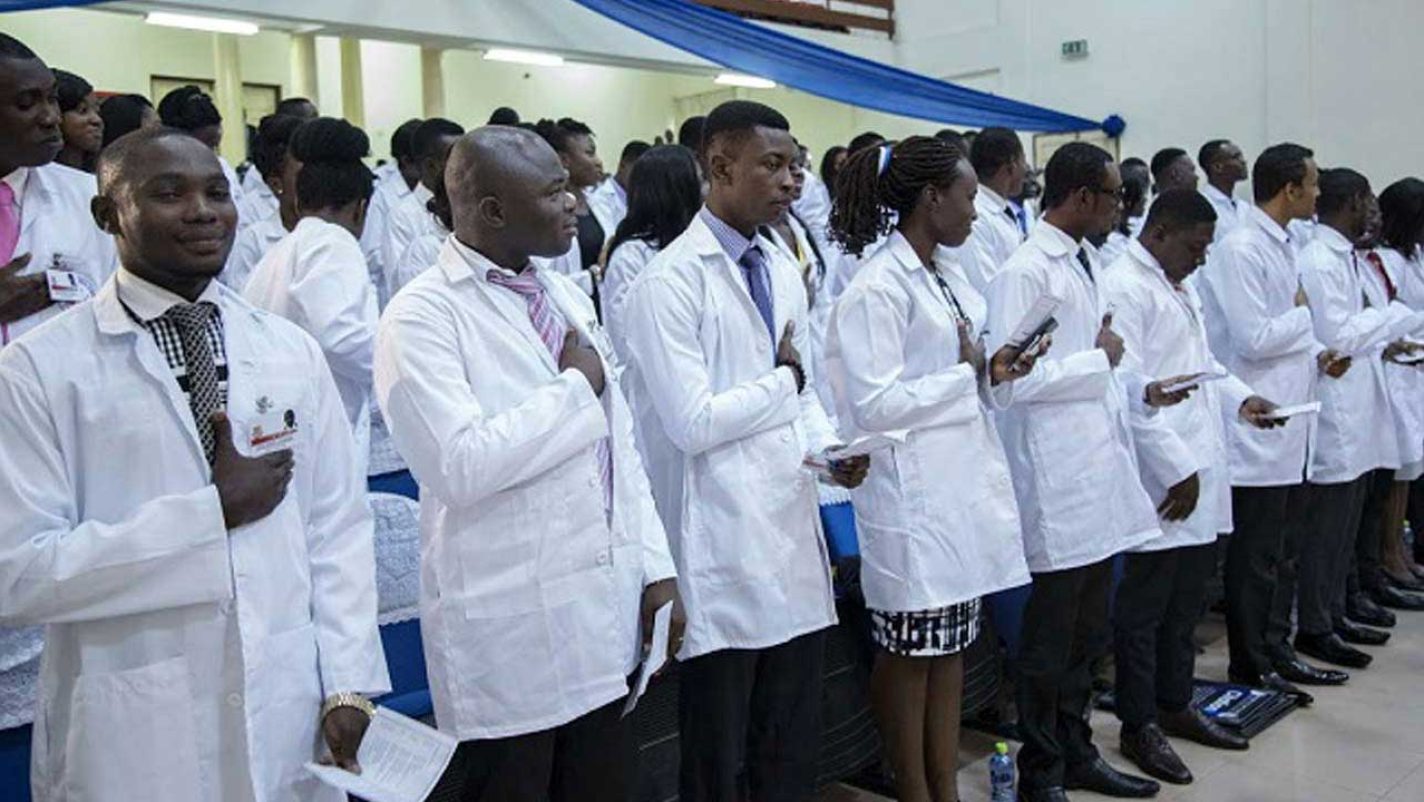
In a stark revelation highlighting Nigeria’s worsening healthcare crisis, the Medical and Dental Consultants Association of Nigeria (MDCAN) has disclosed that only 6,000 medical consultants remain in the country. The alarming figure was shared on the official X (formerly Twitter) handle of Nigerian Stories, sparking widespread concern about the state of medical care and brain drain in Nigeria.
This development comes amid an exodus of skilled professionals, including doctors and other healthcare workers, who are leaving the country in droves for better opportunities abroad. The ripple effect of this mass migration is evident in the crumbling state of Nigeria’s healthcare system, characterized by overcrowded hospitals, a shortage of specialists, and delayed medical interventions.
The MDCAN’s statement underscores the urgent need for government intervention to address the root causes of this crisis. Among the key issues driving medical professionals away are poor remuneration, lack of career progression, inadequate infrastructure, and a hostile working environment. Many Nigerian doctors have cited these challenges as reasons for seeking greener pastures in countries like the United Kingdom, Canada, and Saudi Arabia, where their expertise is highly valued and adequately compensated.
Healthcare analysts warn that this trend could lead to a collapse of the healthcare system if not urgently addressed. With a population exceeding 200 million people, the ratio of medical consultants to patients is dangerously inadequate, leaving millions without access to specialized care. This situation disproportionately affects rural and underserved areas, where access to healthcare is already limited.
In response to the growing outcry, stakeholders in the health sector have called on the federal government to prioritize healthcare reforms. Suggestions include increasing salaries for medical professionals, providing modern medical equipment, and creating a conducive environment for training and practice.
The MDCAN’s revelation serves as a wake-up call for policymakers to take decisive action to prevent a total breakdown of the healthcare system. Without immediate reforms, Nigeria risks losing even more of its brightest medical minds, exacerbating an already dire situation.
This is not just a healthcare crisis—it is a national emergency that demands immediate and sustained attention. The question remains: will Nigeria’s leaders rise to the occasion, or will they allow the nation’s health sector to spiral further into decline?
 PIONEER NEWS