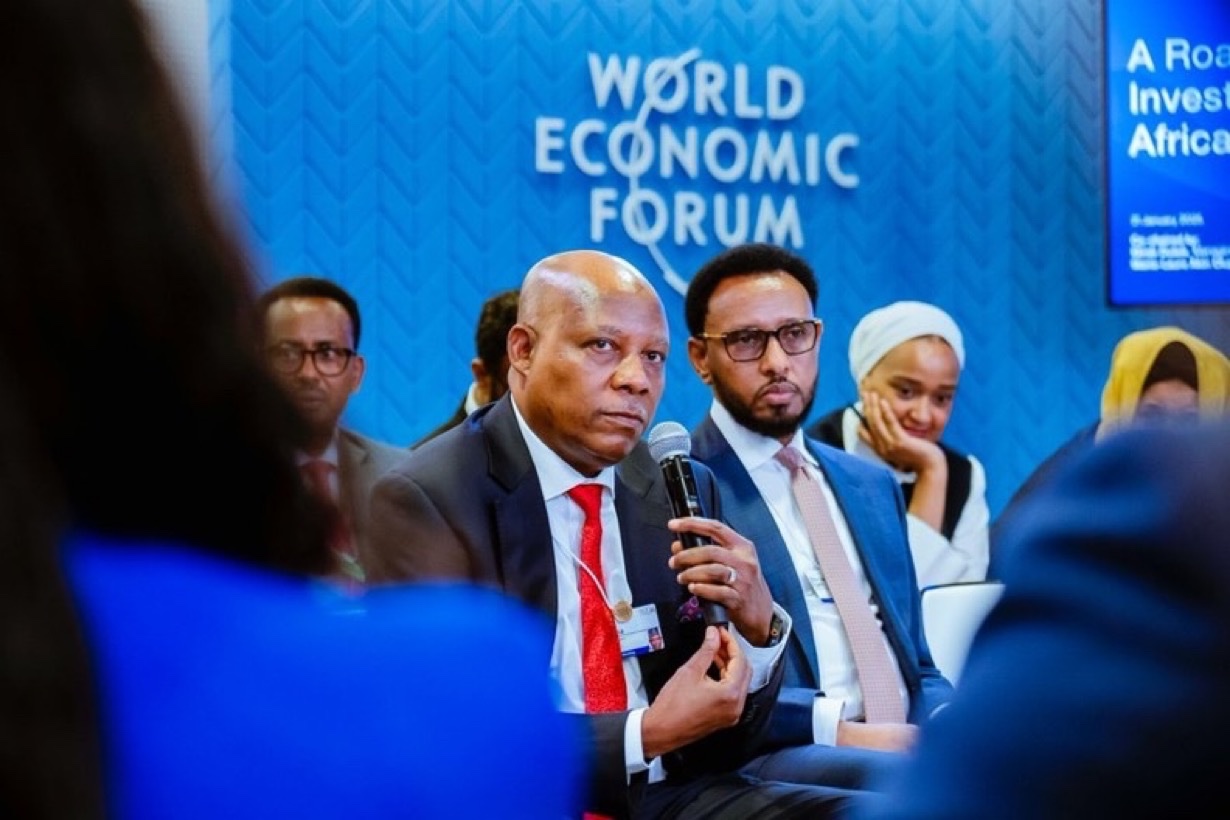
The Vice President of Nigeria, Kashim Shettima, has ignited a wave of reactions across the country and beyond with his thought-provoking declaration: “I don’t believe in aid; I’d rather carry my poverty with dignity.” This striking statement was shared via the official X handle of Nigerian Stories, capturing the attention of millions.
Shettima’s comment, steeped in self-reliance and national pride, has stirred conversations about Nigeria’s stance on foreign aid and the broader implications for Africa’s economic independence. His words resonate with a sentiment that has long simmered among many African leaders and citizens who advocate for self-sufficiency and the rejection of aid dependency.
While some applaud Shettima’s stance as a call for national dignity and resilience, others question its practicality in a country grappling with widespread poverty, unemployment, and economic instability. Critics argue that foreign aid, when properly managed, can be a lifeline for struggling nations, providing critical resources for development and humanitarian efforts.
Proponents of Shettima’s philosophy, however, emphasize the dangers of perpetual dependency on external support. They view his statement as a rallying cry for innovation, accountability, and the empowerment of local industries to chart a sustainable path forward.
Shettima’s statement also highlights a broader debate on the continent about reducing reliance on external aid and fostering homegrown solutions to challenges. It echoes the sentiments of other African leaders who have called for a rethinking of aid policies and a focus on partnerships that prioritize mutual benefit over dependency.
Social media platforms have been abuzz with varied reactions. Supporters hailed Shettima as a leader willing to prioritize dignity over dependency. “This is the kind of leadership mindset we need,” wrote one user, adding that “aid is a trap that has stunted Africa’s growth for decades.”
On the flip side, critics lambasted the statement as tone-deaf in light of the country’s economic hardships. “Easy to say when you’re in power and privileged,” another user commented. “What about the millions who can’t even afford basic necessities? Do they carry poverty with dignity too?”
Whether Shettima’s declaration will translate into tangible policies promoting economic independence remains to be seen. His words, though controversial, have undoubtedly sparked a critical conversation about Nigeria’s future and its role in redefining Africa’s relationship with foreign aid.
As the nation grapples with this polarizing statement, the Vice President’s message underscores a crucial question: Can Nigeria truly rise above dependency and embrace self-reliance, or is aid an unavoidable reality in addressing immediate socioeconomic challenges? Only time will tell.
 PIONEER NEWS