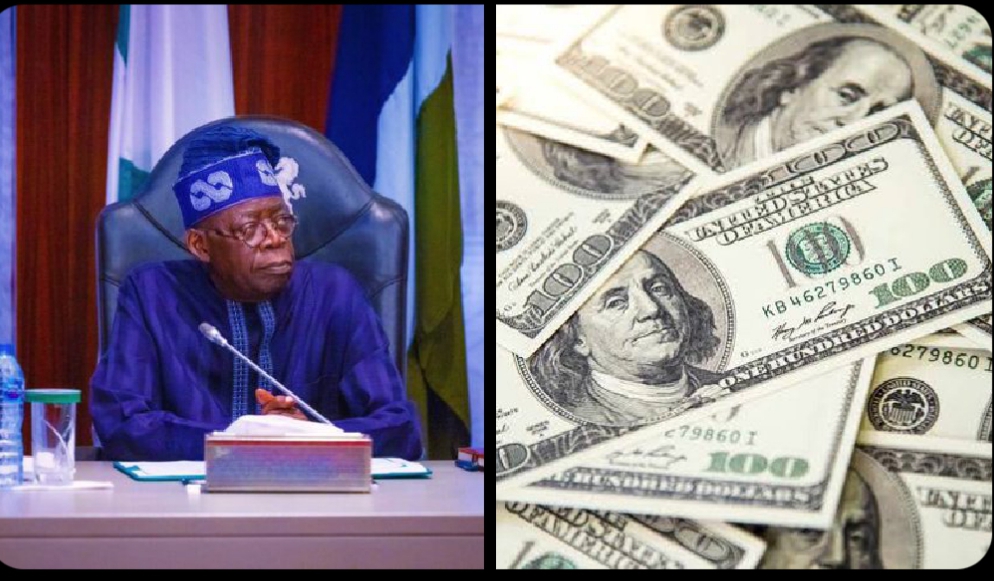
In a new wave of economic uncertainty, Nigeria’s national debt has skyrocketed to an unprecedented ₦142.3 trillion, leaving every citizen theoretically burdened with an average debt of ₦700,000.
The alarming revelation, shared via the official X handle of Nigerian Stories, has sparked widespread concern among citizens and analysts alike. According to data from the Debt Management Office (DMO), the nation’s total public debt rose by ₦8.02 trillion—a staggering 5.97% increase from ₦134.3 trillion in June 2024.
The surge in debt is attributed to the federal government’s persistent borrowing to address fiscal deficits, fund infrastructural projects, and tackle pressing economic challenges. However, critics argue that the rising debt profile signals deeper structural issues in the economy, exacerbating fears of long-term financial instability.
A Grim Reality for Nigerians
The breakdown of the debt implies that every Nigerian—children, adults, and the elderly—is theoretically responsible for a debt of approximately ₦700,000. This stark reality paints a grim picture for a nation already grappling with inflation, currency depreciation, and widespread unemployment.
Economists have warned that the ballooning debt could have dire consequences if not managed prudently. High debt levels could crowd out critical investments in healthcare, education, and social welfare, ultimately stalling Nigeria’s development trajectory.
What’s Driving the Debt Surge?
The DMO’s report attributes the increase to a combination of domestic borrowing and external loans. The federal government has ramped up its issuance of bonds and Treasury bills to finance budget deficits, while also relying heavily on multilateral and bilateral loans to fund capital-intensive projects.
Additionally, the continuous devaluation of the naira has contributed to the swelling external debt. With the local currency losing ground against major international currencies, the cost of servicing foreign debt has become a growing challenge for the government.
Public Outcry and Policy Implications
The revelation has sparked heated debates on social media, with many Nigerians questioning the government’s borrowing strategy and demanding transparency in debt utilization.
“Where are the results of these borrowings? Are they improving the lives of ordinary Nigerians?” asked a concerned citizen on X.
Policy experts have urged the government to adopt a more sustainable approach to debt management. Suggestions include boosting revenue generation through improved taxation, diversifying the economy to reduce reliance on oil, and cutting down on wasteful expenditures.
DMO Calls for Calm
In response to public concerns, the Debt Management Office has assured Nigerians that the debt remains within sustainable limits. The agency emphasized the importance of borrowing to finance critical projects that drive economic growth, while reiterating its commitment to ensuring that debt servicing obligations are met without compromising other government functions.
As Nigeria’s debt profile continues to rise, the government faces a crucial test: balancing the urgent need for development financing with the long-term consequences of unsustainable borrowing. With each passing day, the burden on ordinary Nigerians grows heavier, underscoring the need for decisive and transparent action to avert a looming fiscal crisis.
This escalating debt crisis raises one pressing question: Can Nigeria find a way to break free from its debt spiral, or will it continue to mortgage the future of its citizens for short-term gains?
 PIONEER NEWS