
By Idris Kamal Ibrahim and Muhammad Abubakar Tahir
For Muhammad Isah, a 32-year-old graduate of Crop Science, life after university was a reality check he never anticipated. Dreams of a prestigious white-collar job quickly faded as the harsh grip of unemployment set in. But where many saw despair, Muhammad saw an unconventional opportunity—in frogs.
“After graduation, I was idle and had nothing to do. I decided to join the frog hunting business to be self-reliant. Through this business, I make money and take care of my family,” Muhammad shared, reflecting on a journey that has transformed his fortunes.
Today, he earns a remarkable ₦150,000 monthly from the frog trade, far exceeding the expectations of many young graduates. With his earnings, Muhammad is building a future that includes a home, marriage, and continued support for his aging parents.
Hadejia, a serene town in Jigawa State, has emerged as Nigeria’s unlikely hub of a booming frog trade. Once a niche business, the demand for frog meat has soared domestically and internationally, creating livelihoods and injecting significant revenue into the local economy.
For Yusufu Dapchi, a veteran trader with two decades of experience, frogs are more than just a commodity—they’re a blessing. “This business has allowed me to care for my two wives and several children. I’ve even performed the pilgrimage to Mecca through the profits I’ve made,” he revealed.
However, Yusufu noted challenges in the market, especially the rising costs of frogs. “Previously, large frogs sold for ₦1,000 to ₦1,500 each. Now, they go for ₦6,500,” he said, attributing the price hike to increased demand and dwindling supply.
In Guri Local Government Area, Chibuke Alex, a former fish farmer, discovered the financial rewards of frog harvesting 15 years ago and hasn’t looked back since. “The frog business is more profitable,” he remarked.
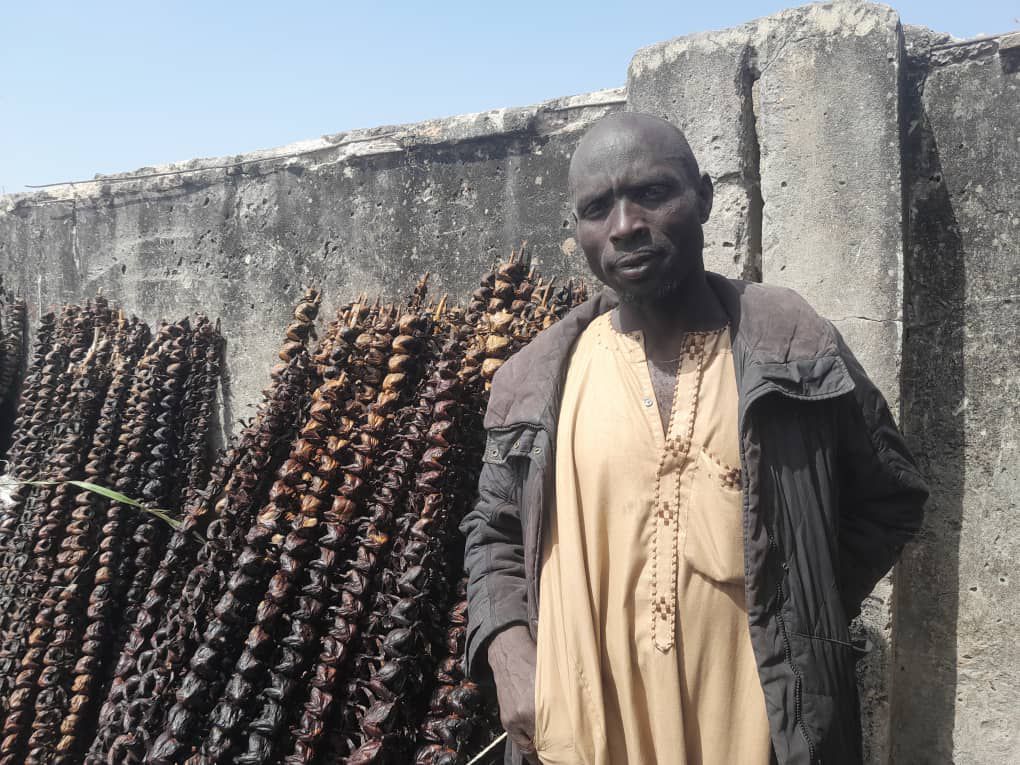
Earning a staggering ₦15,000 daily, Chibuke has managed to provide for his family, even amid challenges like farmers-herders clashes and climate change. “The weather and insecurity in some areas are affecting our catch, but frogs remain a reliable source of income,” he said.
A Revenue Generator for Government
Beyond individual success stories, the frog trade has become a crucial revenue stream for local and state governments.
According to Mr. Godwin Idu, chairman of the Frog Buyers Association in Jigawa State, the trade generates substantial income through loading fees and other levies. “Each truck transporting frogs to the southern parts of the country pays ₦30,000 in loading fees. On average, we load at least four trucks every Sunday, generating over ₦90,000 weekly and ₦1.4 million annually,” he disclosed.
This economic activity underscores the frog trade’s potential to support broader development initiatives in Jigawa.
Challenges and the Road Ahead
Despite its profitability, the frog trade is not without its hurdles. Environmental changes, rising costs, and insecurity are pressing concerns for traders. However, with the growing demand for frog meat in countries like China and parts of Europe, the industry remains poised for expansion.
For many residents of Jigawa, frogs symbolize more than just a meal—they represent resilience, innovation, and hope. From sustaining families to funding pilgrimages and providing revenue for the government, the frog trade is leaping beyond expectations, transforming lives and communities across Jigawa State.
 PIONEER NEWS