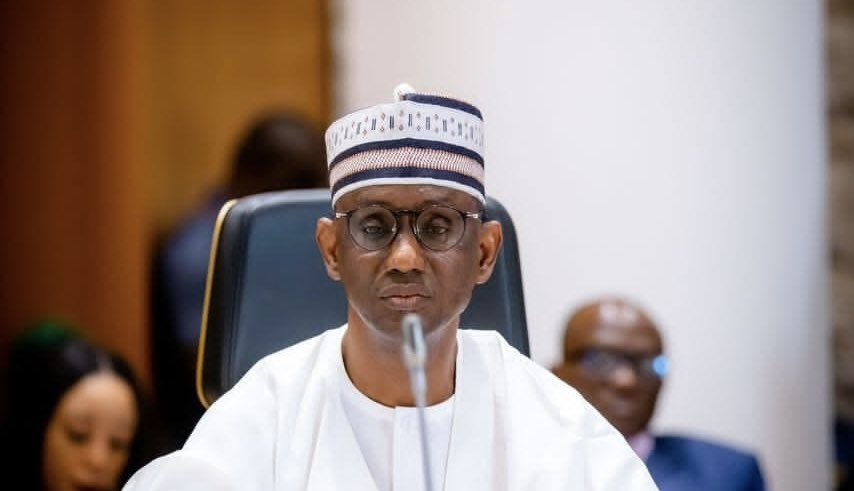
The Nigerian government, under the administration of President Bola Tinubu, is quietly setting the stage for a pivotal and controversial dialogue with Ogoni leaders regarding the resumption of oil exploration in Ogoniland. National Security Adviser Nuhu Ribadu has invited key stakeholders from the region to a confidential meeting scheduled for Tuesday, January 21, 2025, at the Presidential Villa, Abuja. SaharaReporters exclusively uncovered the details of this secretive gathering, which is shrouded in luxury and strategic intent.
Documents obtained by SaharaReporters reveal that Ribadu’s office has spared no expense in hosting the Ogoni leaders. The invitation, signed by Ribadu’s Special Assistant, Goodluck Ebelo, promises a two-night stay at the prestigious Transcorp Hilton Hotel in Abuja, with flights arranged from Port Harcourt to the capital on Monday, January 20, 2025.
The letter reads in part:
“I hope this message finds you well. On behalf of the National Security Adviser, Mallam Nuhu Ribadu, I am pleased to invite you, as an important Ogoni stakeholder, to a meeting with the President of the Federal Republic of Nigeria at the Presidential Villa on Tuesday, January 21, 2025. Reservations have been made for you at Transcorp Hilton, Abuja, for two nights, beginning from Monday. You will soon receive details regarding your flight from Port Harcourt on Monday, January 20, 2025, and other logistics. We look forward to your presence.”
Sources familiar with the arrangements claim the government aims to secure the support of these leaders to greenlight the resumption of oil exploration in the environmentally devastated Ogoniland. “This is Nuhu’s invite to Ogoni leaders, and the leaders are expected to declare the return of oil exploration in Ogoniland after the sweet deal meeting,” a high-ranking insider revealed.
Ogoniland, once the bedrock of Nigeria’s oil production, has become a symbol of the environmental and social costs of unregulated oil exploration. Decades of oil spills and gas flaring have left the region grappling with toxic waterways, degraded farmlands, and health crises. The region’s struggle for justice has birthed global attention, following the activism of late environmentalist Ken Saro-Wiwa and the Movement for the Survival of the Ogoni People (MOSOP).
In 2011, the United Nations Environment Programme (UNEP) released a damning report highlighting the extensive environmental degradation in Ogoniland, recommending an ambitious cleanup project expected to span three decades. Despite initial progress, the cleanup effort has been criticized for delays and insufficient funding, leaving communities skeptical about any talk of renewed oil activities.
While the government appears to be courting Ogoni leaders with what insiders describe as a “sweet deal,” local activists and environmentalists have sounded the alarm. They argue that discussions about oil exploration must not proceed without addressing the root issues of environmental justice and fair resource management.
Prominent voices from the region have reiterated that Ogoniland remains unprepared for the resumption of oil exploration until the UNEP cleanup recommendations are fully implemented. “The soil is still poisoned, and the water is unsafe for drinking. How can oil companies return when the people can’t even farm or fish in their land?” an activist questioned.
The secrecy surrounding the Abuja meeting has further deepened mistrust among community members, with some accusing the government of attempting to bypass grassroots resistance by co-opting select leaders.
The government’s push for oil exploration in Ogoniland aligns with broader efforts to boost revenue amidst dwindling production in Nigeria’s oil sector. However, analysts warn that reigniting oil activities in a region fraught with grievances could have security implications. Past attempts to restart operations in Ogoniland have been met with protests, sabotage, and violent confrontations.
By involving the Office of the National Security Adviser, the Tinubu administration appears keen to frame the resumption of oil exploration as a matter of national security, underscoring its importance to Nigeria’s economic stability.
As the January 21 meeting looms, the stakes could not be higher. Will Ogoni leaders accept the government’s offer, or will they stand with activists demanding justice and accountability?
For many Ogoni people, the scars of past exploitation remain fresh, and the promise of progress rings hollow without tangible commitments to healing their land. Whatever the outcome of the Abuja meeting, the future of oil exploration in Ogoniland will undoubtedly shape the narrative of environmental justice in Nigeria for years to come.
This unfolding saga will test not only the resilience of the Ogoni people but also the Tinubu administration’s ability to balance economic ambitions with ethical governance.
 PIONEER NEWS