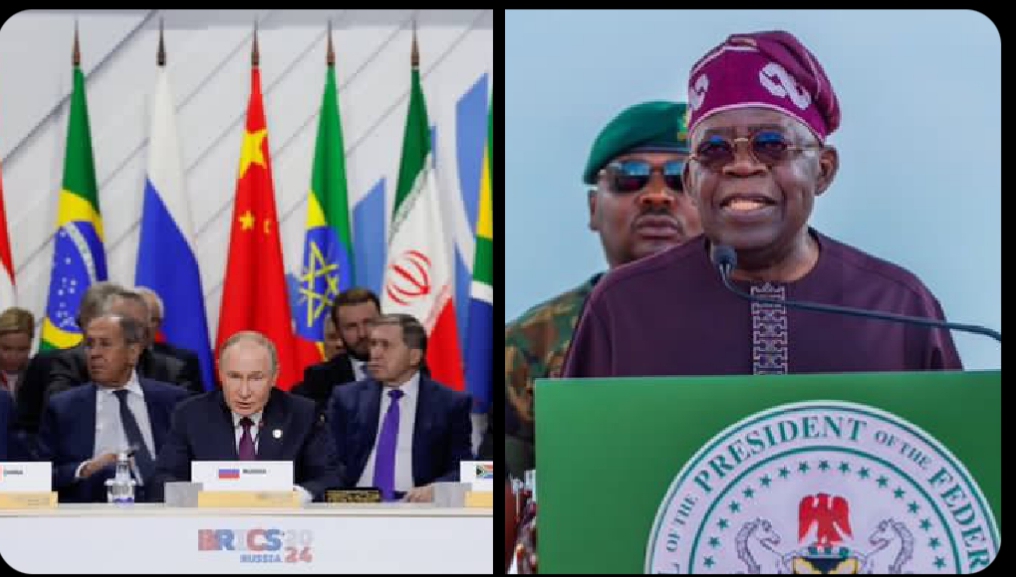
Nigeria has officially been announced as a partner country in the BRICS coalition, marking a significant step for Africa’s largest economy in the realm of global geopolitics and economic diplomacy. The news was shared on the official X (formerly Twitter) handle of Nigerian Stories, sparking widespread discussion about the implications of this development.
BRICS, an acronym for Brazil, Russia, India, China, and South Africa, is a bloc of emerging economies that collectively aim to challenge traditional Western-dominated economic institutions like the International Monetary Fund (IMF) and the World Bank. While Nigeria’s status as a partner country falls short of full membership, this move signals a growing recognition of its economic and strategic importance on the global stage.
Joining BRICS as a partner country provides Nigeria with a unique opportunity to engage with some of the world’s fastest-growing economies. Although not a full member, the partnership offers Nigeria a platform to contribute to discussions on critical global issues such as trade, energy security, and sustainable development. It also paves the way for Nigeria to access potential investments, trade benefits, and collaboration opportunities with BRICS nations.
As Nigeria seeks to diversify its economy away from oil dependency, aligning with BRICS could open doors to technological transfer, infrastructural development, and enhanced trade relations. The bloc’s focus on fostering south-south cooperation aligns with Nigeria’s vision of leveraging partnerships to address pressing challenges such as unemployment, inflation, and infrastructure deficits.
The announcement has drawn mixed reactions from Nigerians and global analysts. Supporters see it as a step in the right direction for a country striving to assert itself as a leader in Africa and beyond. Critics, however, argue that Nigeria’s internal challenges—ranging from economic instability to insecurity—could hinder its ability to fully leverage this partnership.
While Nigeria’s partnership with BRICS is undoubtedly a significant milestone, it also places the country under the global microscope. The Nigerian government will need to implement policies that ensure the partnership translates into tangible benefits for its citizens. Issues such as improving ease of doing business, strengthening governance, and addressing corruption must take center stage to make the most of this opportunity.
Nigeria’s inclusion as a partner country in BRICS is a bold step that reflects its potential to play a pivotal role in shaping global economic dynamics. As the world continues to evolve towards a multipolar order, Nigeria’s strategic positioning within this influential bloc could serve as a catalyst for its economic transformation. Whether this partnership will yield the desired results depends on the nation’s ability to harness the opportunities presented by this global alliance.
 PIONEER NEWS