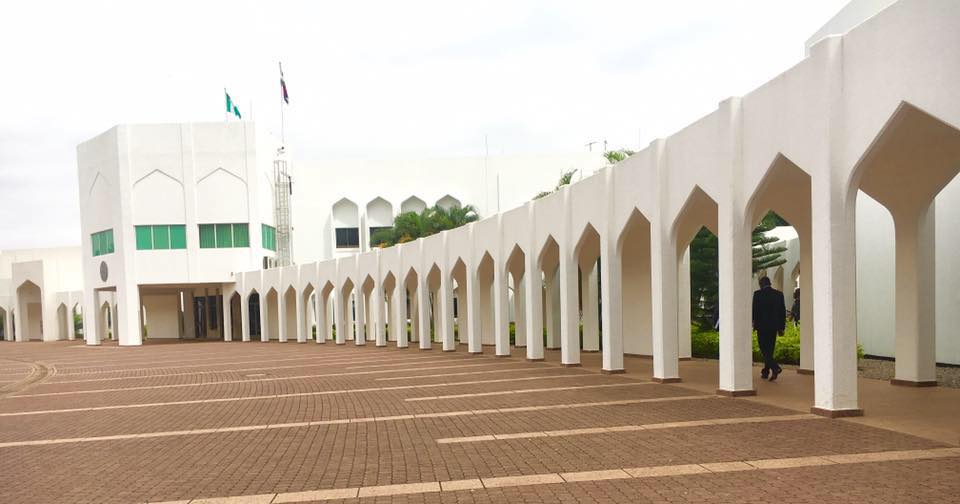
The Premium Times Newspaper has revealed that in 2024, Nigeria’s State House—the administrative headquarters of the President and Vice President—spent a staggering N5.9 billion on vehicles, sparking outrage from lawmakers and the public. The revelation, announced via the publication’s official X handle, comes at a time when millions of Nigerians are grappling with a severe cost-of-living crisis fueled by government policies.
Nigeria is experiencing its most devastating economic hardship in decades, driven by controversial reforms such as the removal of the petrol subsidy and the floating of the naira. These measures have caused food prices to skyrocket by over 200% without a corresponding rise in wages, plunging millions further into poverty in Africa’s most populous nation.
Despite the dire economic conditions, the State House allocated N3.9 billion for operational vehicles and an additional N2 billion to replace its fleet of Sports Utility Vehicles (SUVs) in 2024. This luxury expenditure has drawn sharp criticism from lawmakers and Nigerians alike, who see it as a tone-deaf move amid widespread suffering.
On Tuesday, the Senate Committee on Special Duties grilled the Permanent Secretary of the State House, Temitope Fashedemi, over the controversial spending during a session to review the 2025 budget proposal. The committee demanded a detailed explanation for the massive expenditure, particularly the justification for purchasing new vehicles at such a time of economic despair.
Chairman of the Senate Committee, Senator Yusuf Tanko, expressed dismay at the priorities of the State House, stating, “It is unconscionable for the government to spend billions on luxury cars while the majority of Nigerians cannot afford three square meals. This sends a wrong message about the government’s commitment to the welfare of its citizens.”
Other senators echoed similar sentiments, questioning whether the vehicles were a necessity or an extravagance, especially considering the public outrage over rising poverty and inflation. They called for transparency in the procurement process and an immediate review of government spending to prioritize policies that directly alleviate the suffering of ordinary Nigerians.
The report has ignited widespread backlash on social media, with many Nigerians criticizing the government for its perceived insensitivity. One user commented, “While families go to bed hungry, the leaders are cruising around in luxury SUVs. Is this the ‘renewed hope’ they promised us?” Another wrote, “This is an insult to Nigerians struggling to survive. The government must do better.”
Analysts have warned that the growing discontent over economic hardship and government spending could lead to further political instability. “The optics are terrible,” said Dr. Umaru Ahmed, a political economist. “At a time when citizens are being asked to make sacrifices, the leadership must also show restraint. Spending N6 billion on vehicles is indefensible.”
The debate over the 2024 vehicle spending underscores a larger issue of fiscal mismanagement and misplaced priorities in Nigeria. Critics argue that funds used for luxury expenses could have been directed toward crucial sectors such as healthcare, education, and infrastructure development.
As Nigeria moves into 2025, the government faces mounting pressure to address the economic challenges affecting its citizens. Whether this will translate into more prudent spending and people-centered policies remains to be seen.
For now, the N6 billion vehicle expenditure serves as a stark reminder of the disconnect between the ruling elite and the people they govern, fueling calls for accountability and reforms in public spending.
 PIONEER NEWS