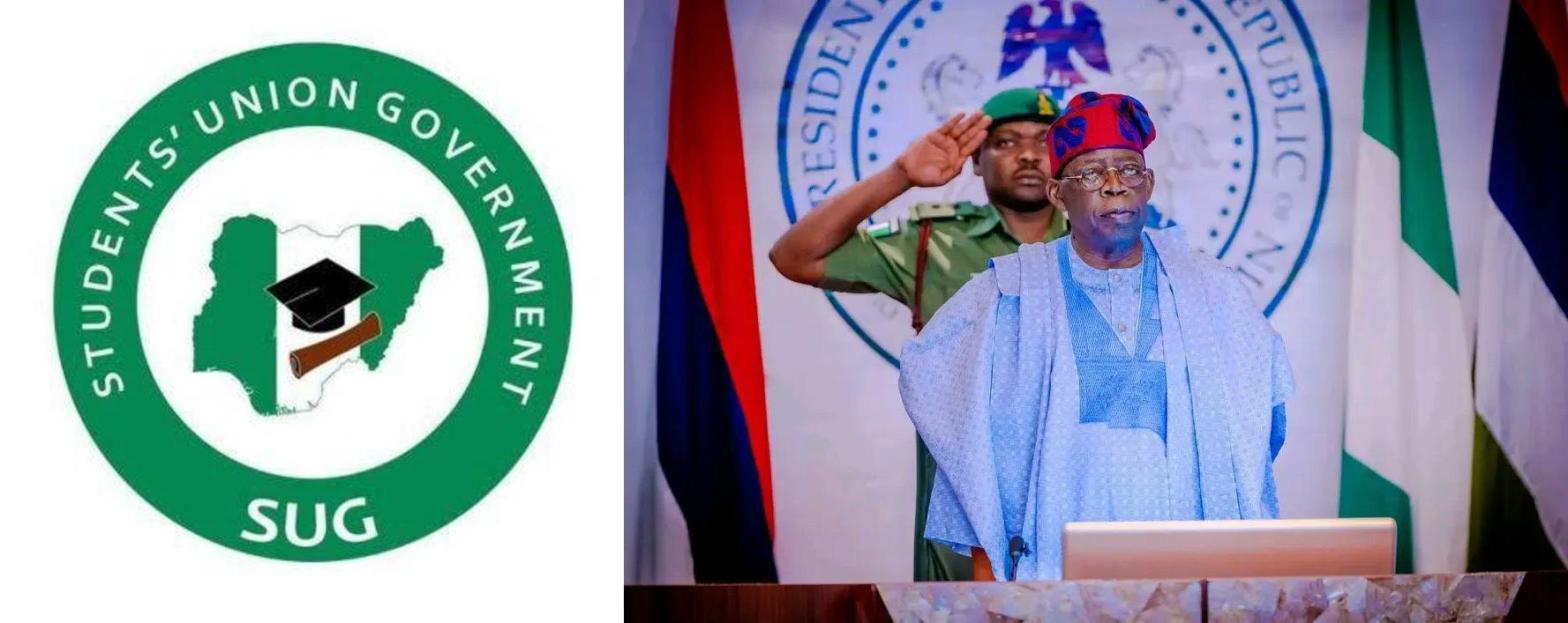
In a surprising development, the Peter Obi Grassroots Mobilization group has taken to its official X (formerly Twitter) handle to announce that President Bola Ahmed Tinubu has approved a palliative support package for Student Union Government (SUG) Presidents across Nigeria’s 36 states and the Federal Capital Territory (FCT).
The group, known for its unwavering support of Peter Obi, described the announcement as a “JUST IN” moment, catching the attention of Nigerians eager to hear more about Tinubu’s strategies for addressing the economic hardships currently facing the nation.
This initiative by the Tinubu administration is seen by many as a tactical move to align with the youth demographic, particularly in the wake of increasing economic pressure due to the removal of fuel subsidies and rising inflation. By directly engaging SUG leaders, Tinubu aims to empower representatives of the student population to provide tangible relief at the grassroots level.
The specifics of the palliative support package remain undisclosed at the time of reporting. However, the news has sparked a flurry of reactions online, with questions surrounding the transparency, allocation, and implementation of the funds.
Critics have called into question the timing of the announcement, describing it as a calculated political maneuver. Supporters of Peter Obi have argued that such measures should be more inclusive, addressing the broader youth population and not just their representatives.
A post from one social media user read:
“While this is a commendable effort, will it trickle down to the average student struggling to afford basic needs, or is this just another PR stunt?”
This initiative marks a potential turning point in government-student relations, as SUG Presidents are key influencers among Nigerian youth. Their role in managing the palliatives effectively could shape the perception of Tinubu’s government in the education sector.
As the nation waits for further clarification on the scope and execution of this program, it raises an important question: Is this a step toward genuine youth engagement, or merely a political gesture amid rising tensions?
The coming weeks will reveal whether this effort will foster unity and relief or deepen skepticism about government interventions.
 PIONEER NEWS