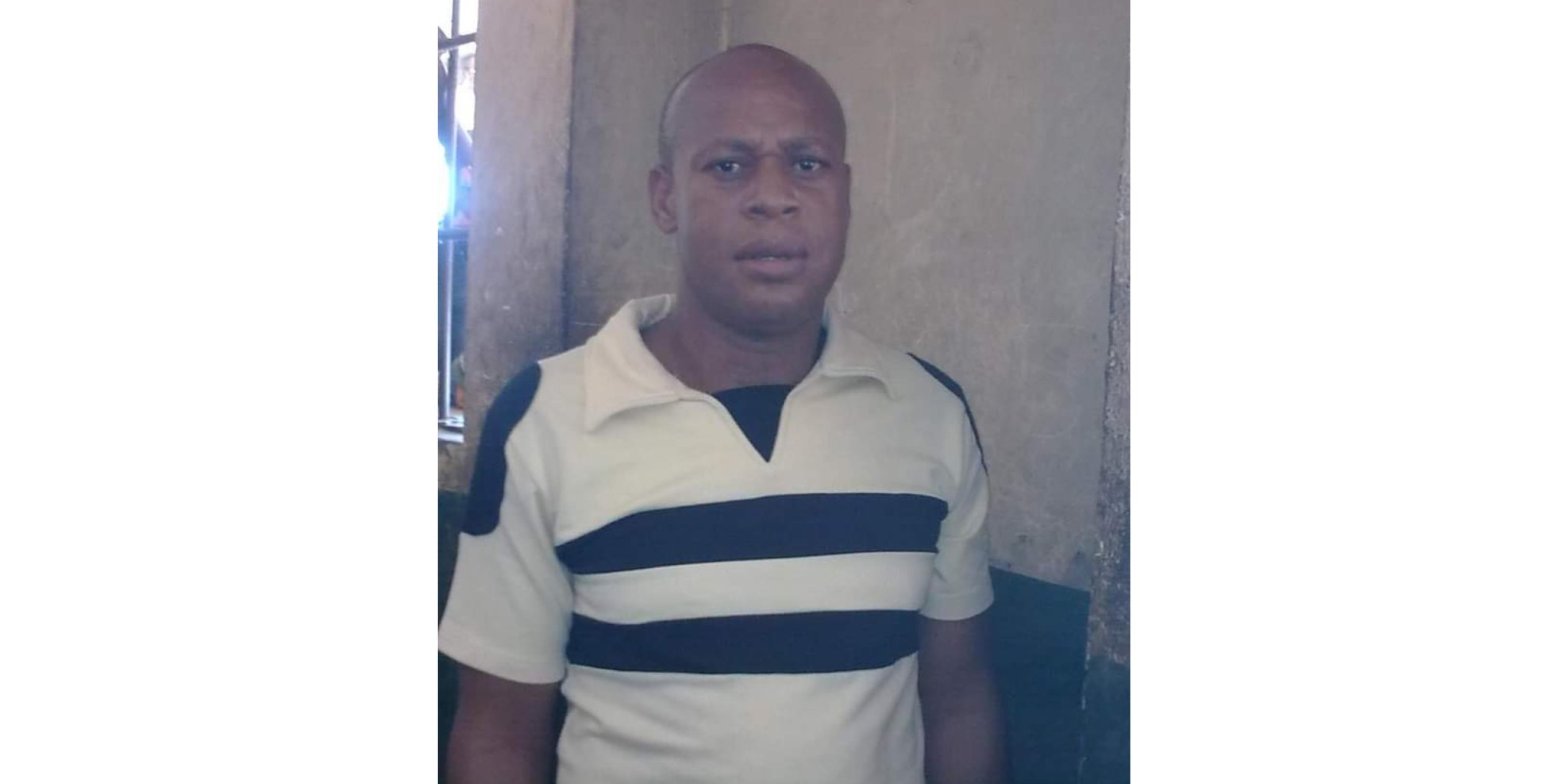
The haunting tale of Kolawole Oladeji, a 64-year-old Nigerian technician, continues to unravel as he languishes on death row for a crime he insists he did not commit. Arrested in 1999 for repairing a generator later found to be stolen, Oladeji’s nightmare began when the justice system turned its back on him.
Sentenced to death in 2003, Oladeji has spent over two decades behind bars, with his life in limbo as he waits for an uncertain fate. His tragic ordeal highlights a grave injustice within Nigeria’s judicial system, raising critical questions about fairness, accountability, and the treatment of the underprivileged.
Kolawole Oladeji’s story began on October 30, 1999, when a generator was brought to his workshop in Ogun State for repairs. According to Oladeji, he was simply doing his job, unaware that the generator was stolen. However, he, alongside three others—Sunday Oloyede, Ogbona Igbojionu, and Segun Ajibade—was arrested, charged, and convicted for theft.
By January 14, 2003, Oladeji’s fate was sealed as he was sentenced to death by hanging, despite maintaining his innocence. He described his role as purely that of a repair technician, with no knowledge or involvement in the alleged theft.
In a shocking twist, Oladeji revealed that Segun Ajibade, the man he identified as the true culprit, was released in 2016 by former Ogun State Governor Ibikunle Amosun. According to Oladeji, Ajibade’s connections and financial backing secured his freedom, leaving Oladeji and two others to bear the full brunt of the law.
Speaking in an exclusive audio message obtained by Sahara Reporters, Oladeji lamented:
“The person that brought the generator to my workshop for repair has been released by former Governor Amosun because he has people that have money. Since then, I have been left here alone. My mother has died, and my wife has also died.”
For Oladeji, the years in prison have been nothing short of a death sentence in itself. His once-vibrant life has been reduced to endless days of uncertainty, compounded by the loss of his loved ones. With no access to legal aid or a chance to appeal, Oladeji has spent 26 years fighting for justice that seems determined to elude him.
“I didn’t rob anyone, and I didn’t know much about the generator; I was just a repairer,” he explained, recounting how he was swept into a legal system that overlooked his innocence.
The injustice surrounding Oladeji’s case has sparked outrage among Nigerians, with many questioning the fairness of a system that seemingly prioritizes the wealthy and connected. His tragic story serves as a glaring example of the plight of many voiceless citizens trapped in a flawed justice system.
Legal experts and human rights advocates have called for immediate action to review Oladeji’s case, emphasizing that no individual should face execution for a crime they did not commit.
Kolawole Oladeji’s ordeal is not just a personal tragedy; it is a reflection of the systemic failings within Nigeria’s judicial and penal systems. His continued incarceration raises critical questions about the country’s commitment to justice, equality, and the protection of its citizens.
As Oladeji remains on death row, his story is a painful reminder that the fight for justice in Nigeria is far from over. The world watches as calls for his release grow louder, demanding an end to the injustice that has stolen decades of his life.
The question remains: will Nigeria’s justice system finally right this wrong, or will Kolawole Oladeji become yet another victim of a broken system?
 PIONEER NEWS