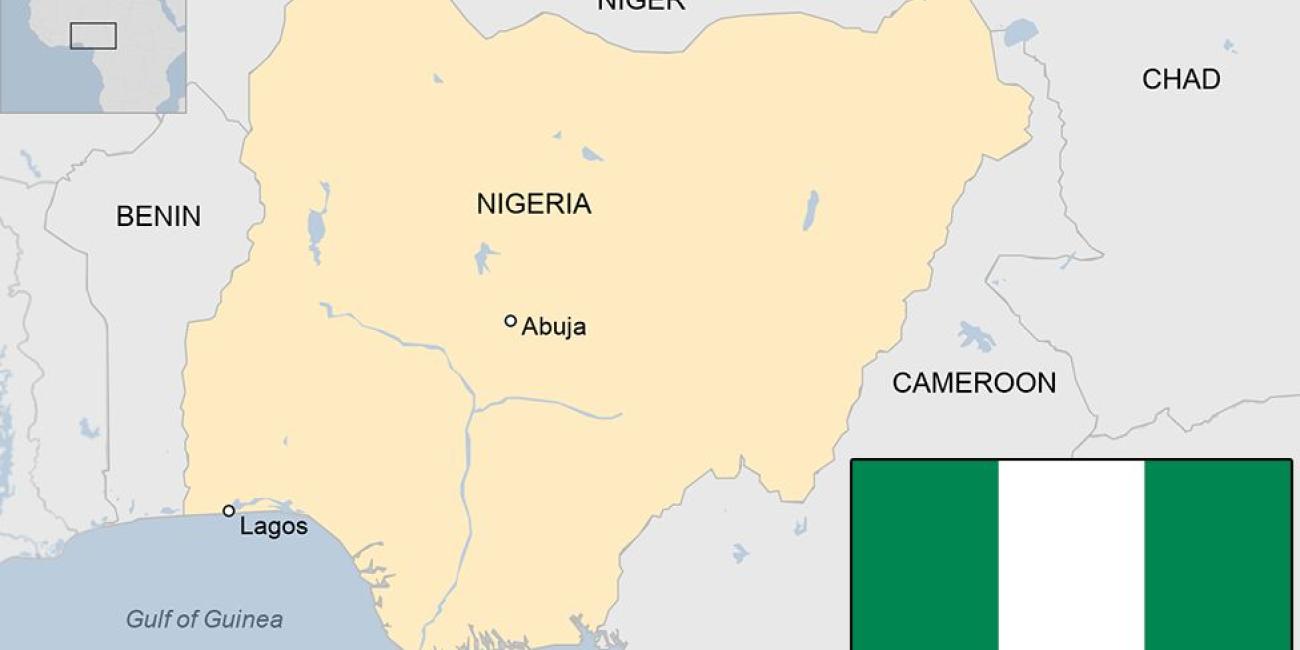
In a chilling revelation, Sahara Reporters has announced findings by SB Morgen (SBM) Intelligence, which identified Port Harcourt, Maiduguri, Lagos, Jos, Calabar, Kano, Eleme Junction, and Onitsha as Nigeria’s eight most perilous zones for security threats. The report sheds light on the alarming prevalence of violent crimes, road hazards, and infrastructural failures plaguing these areas, painting a grim picture of the nation’s security landscape.
Port Harcourt Tops the Danger Chart
Port Harcourt, known as Nigeria’s oil capital, emerged as the most dangerous city, with 85 recorded incidents of violent crimes, including armed robbery, kidnapping, and gang violence. The city’s position as a hub for commerce and industry has also made it a magnet for criminal activities, with law enforcement appearing ill-equipped to stem the tide.
Maiduguri: The Epicenter of Insurgent Threats
Maiduguri, the heart of Nigeria’s counter-insurgency operations, recorded 52 incidents, dominated by terrorist attacks and sporadic violence from insurgent groups. Despite the military’s efforts, the city remains a hotbed for insecurity, leaving residents in a constant state of fear.
Lagos: Urban Crime Capital
As Nigeria’s economic nerve center, Lagos reported 32 incidents, largely concentrated in densely populated areas notorious for pickpocketing, burglary, and armed assaults. The commercial vibrancy of Lagos continues to attract criminals who exploit the city’s bustling environment to perpetrate their nefarious acts.
Highways of Horror
The Makurdi-Jos route emerged as one of the most treacherous corridors, plagued by youth gang violence and clashes between farmers and pastoralists. The report highlighted frequent roadblocks and ambushes, which pose grave risks to motorists and travelers.
Meanwhile, the Port Harcourt-Warri route has now overtaken the infamous Abuja-Kaduna highway as the most dangerous stretch in the country, with incidents of kidnapping for ransom reaching alarming levels.
Other Dangerous Hotspots
Jos, Calabar, and Kano each recorded between 18 and 23 incidents, with a mix of communal clashes, armed robbery, and urban theft dominating the crime scene.
Eleme Junction in Rivers State, a vital transport hub, reported 16 cases of criminal activity, highlighting its vulnerability to theft and attacks on travelers.
Onitsha, famed for its trade routes, saw 15 incidents, predominantly involving theft and extortion.
Beyond the threat of violence, the report drew attention to Nigeria’s crumbling road infrastructure. An overwhelming 84.6% of respondents reported either experiencing or hearing about security incidents on their travel routes, while only 2.4% considered the roads very safe. Factors like potholes, poor drainage, and congestion exacerbate the dangers, compounding the nation’s insecurity crisis.
SBM Intelligence called for a multi-pronged approach to address Nigeria’s security and infrastructural challenges. The report emphasized the need for:
1. Increased police presence and consistent patrols on high-risk routes.
2. Modern surveillance systems to track and deter criminal activity.
3. Significant investment in road infrastructure, including repairs, proper drainage, and traffic management systems.
4. Community engagement programs to foster collaboration between residents and security agencies.
Nigeria’s roads and urban centers are becoming increasingly perilous, leaving citizens and travelers vulnerable to an array of threats. The SBM Intelligence report serves as a stark reminder of the urgent need for strategic interventions. Without decisive action, the nation risks further eroding the sense of safety and stability its citizens deserve.
“Improved security measures and road rehabilitation are not just desirable—they are imperative,” the report concluded, urging the government to prioritize the safety of Nigerians in its policy agenda.
 PIONEER NEWS