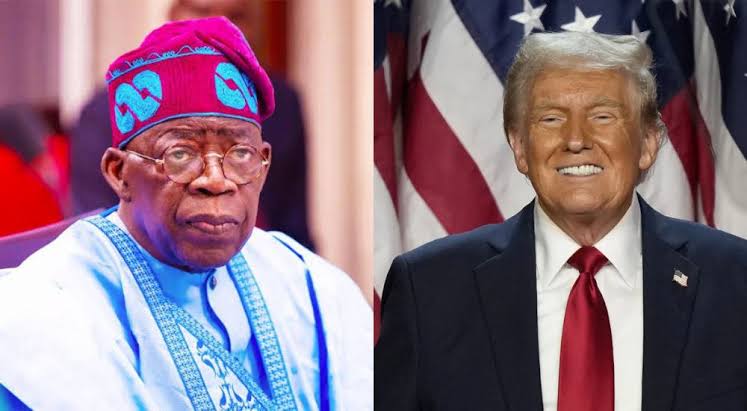
In a move that has sparked widespread discussion, President Bola Tinubu has approved sweeping new regulations for the Nigerian Armed Forces, banning activities such as homosexuality, transgender identity, cross-dressing, tattooing, and other behaviors deemed “unbecoming” of military personnel. The directive, signed into law in December 2024, is detailed in Section 26 of the revised Harmonised Armed Forces Terms and Conditions of Service (HAFCTCS), aimed at enforcing strict discipline and professional conduct within the military.
The regulations explicitly forbid military officers from engaging in homosexuality, lesbianism, bestiality, and associating with LGBTQIA2S+ groups. “An officer must not engage in homosexuality, lesbianism, or bestiality. He/she is not to belong to, or engage in activities of, the Lesbian, Gay, Bisexual, Transgender or Trans, Queer or Questioning, Intersex, Asexual or Agender, Two-Spirit (LGBTQIA2S+) group and cross-dressing, amongst others,” the document reads.
The revised guidelines extend beyond sexuality to include physical appearance and personal conduct. Military personnel are strictly prohibited from tattooing or piercing any part of their body. Additionally, disorderly behavior, public brawls, drunkenness—whether on or off duty—and actions deemed disgraceful to the image of the armed forces are also forbidden.
“An officer shall not engage in any form of disorderly behavior, brawl, or any action of public disgrace. An officer must not at any time be drunk, whether on or off duty,” the regulations emphasize.
The updated terms also set boundaries regarding personal relationships, prohibiting amorous affairs with subordinates or their spouses. This measure aims to reinforce professional hierarchies and eliminate potential conflicts of interest within the ranks.
According to the Tinubu administration, these measures are designed to uphold the ethics and discipline expected of the Nigerian Armed Forces, ensuring that officers remain exemplary both in their professional and personal lives. By addressing issues such as public behavior, interpersonal relationships, and personal appearance, the regulations seek to establish a standard of conduct befitting the military’s role in national security and public service.
The timing of this announcement, just days before the inauguration of former U.S. President Donald Trump, has led to speculation regarding its broader implications. Critics argue that the directives might reflect an alignment with more conservative global trends, while supporters hail it as a much-needed measure to preserve the sanctity of Nigeria’s armed forces.
The sweeping regulations have already ignited debates on social media, with human rights activists and LGBTQ+ advocates raising concerns about the potential for discrimination and abuse of power under the guise of discipline. Nevertheless, the Nigerian government insists that the guidelines are critical for maintaining the integrity and professionalism of its armed forces in an increasingly complex world.
The full impact of these regulations remains to be seen, but they underscore the Tinubu administration’s commitment to enforcing moral and ethical standards within Nigeria’s military. As the world watches, the conversation surrounding the intersection of personal freedoms and institutional discipline continues to unfold.
 PIONEER NEWS