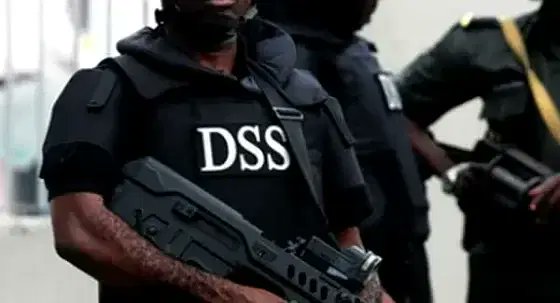
In a dramatic turn of events, Retired General Williams has ignited a firestorm of debate by calling for the disbandment of Nigeria’s National Intelligence Agency (NIA) and the Department of State Services (DSS). The retired military officer made this bold recommendation in a post shared by Nigerian Stories on its official X (formerly Twitter) handle, stating that the agencies have failed in their core mandate of identifying and tracking sponsors of terrorism within the country.
This controversial statement highlights the growing frustration among security experts and citizens over the perceived inefficiency of Nigeria’s intelligence apparatus in combating the root causes of terrorism. According to General Williams, the persistent inability of the NIA and DSS to disrupt the financial and logistical networks supporting terrorism has undermined national security and emboldened criminal elements.
“Their failure to effectively identify and monitor the sponsors of terrorism calls into question the very purpose of these agencies,” Williams reportedly said. “It’s time to rethink our approach to intelligence gathering and counterterrorism.”
This call to action has triggered mixed reactions across social media. While some Nigerians agree with the retired general, citing a lack of tangible results from the intelligence community, others argue that reform, rather than disbandment, is the way forward.
Security analysts have also weighed in on the matter. Many argue that the disbandment of these agencies could leave the nation vulnerable to further security threats, while others assert that Nigeria’s intelligence framework needs an urgent overhaul, with accountability and transparency as key priorities.
The call by General Williams comes amidst mounting criticism of the nation’s counterterrorism strategy, especially given the resurgence of violent attacks in various parts of the country. Critics have pointed out that despite substantial funding and resources allocated to these agencies, their impact on curbing terrorism remains negligible.
This development raises critical questions: Are Nigeria’s intelligence agencies fit for purpose? Can restructuring the NIA and DSS breathe new life into the fight against terror? Or is a complete overhaul, as suggested by General Williams, the only solution?
As the debate rages on, one thing is certain: Nigeria’s counterterrorism approach is at a crossroads, and the stakes have never been higher. The government’s response to this growing public outcry will not only shape the future of its intelligence agencies but could also redefine the nation’s fight against terrorism.
 PIONEER NEWS