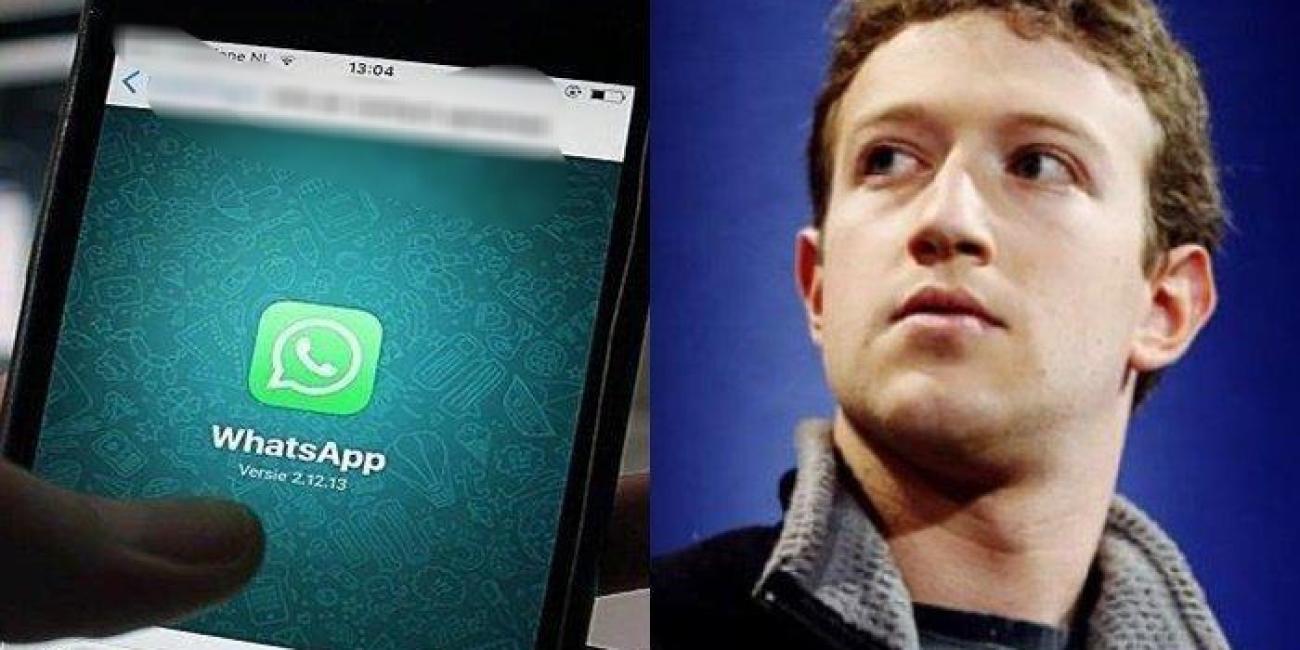
Sahara Reporters, via its official X handle, recently disclosed intriguing revelations from Meta’s CEO, Mark Zuckerberg, about how U.S. security agencies like the Central Intelligence Agency (CIA) and the National Security Agency (NSA) can potentially access encrypted WhatsApp messages. Zuckerberg made these remarks during an insightful conversation on The Joe Rogan Experience podcast, where he delved deep into the complex dynamics of government surveillance, encryption protocols, and potential loopholes.
Zuckerberg reaffirmed Meta’s commitment to privacy, highlighting that WhatsApp’s end-to-end encryption is a robust safeguard that prevents Meta’s servers—or anyone else—from accessing users’ messages directly.
“Because it’s encrypted, they can’t hack Meta and get access to your messages,” Zuckerberg stated, adding that agencies like the NSA or CIA would need to exploit vulnerabilities on individual devices. He elaborated on how tools like Pegasus spyware or physical access to a device could serve as potential gateways for security agencies.
“And of course,” Zuckerberg continued, “there’s always the ultimate physical factor. If they have access to your computer, they can usually just break in. That’s why, if the FBI arrests you, they’ll seize your phone and probably be able to access its contents.”
In response to such risks, Meta introduced disappearing messages, a feature designed to bolster privacy. Zuckerberg explained, “This way, if someone compromises your phone, they can’t see everything. They’ll only see incoming messages but not a historical archive.”
He emphasized that end-to-end encryption primarily ensures that Meta itself cannot access user data, even under government pressure. “The thing that encryption does that’s really good is it makes it so that the company running the service doesn’t see it. So if you’re using WhatsApp, there’s no point at which the Meta servers see the contents of that message.”
Zuckerberg concluded by describing Meta’s approach to privacy and security as a “pretty good standard,” combining encryption and disappearing messages to protect users from prying eyes—whether corporate or governmental.
The revelations serve as a reminder of the delicate balance between privacy, security, and surveillance in the digital age. While WhatsApp users benefit from robust encryption, the reality of device-level vulnerabilities underscores the need for individuals to remain vigilant about their digital footprints.
 PIONEER NEWS