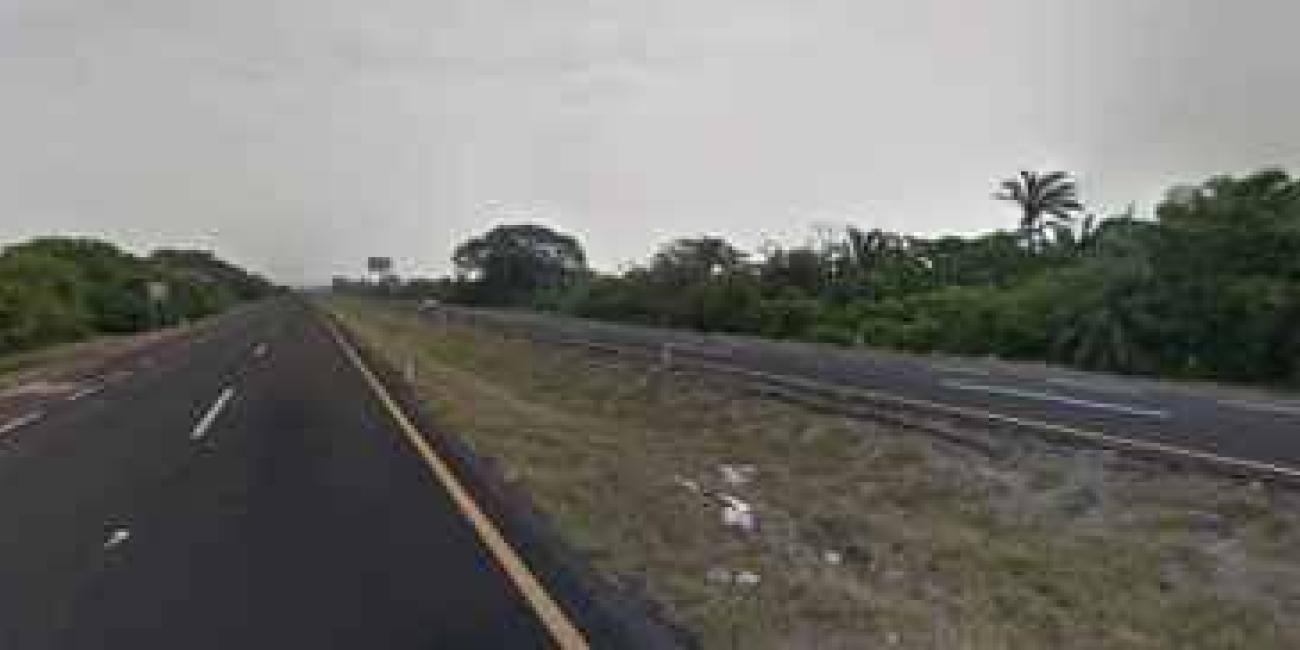
In a recent announcement on its official X handle, Sahara Reporters disclosed findings from a comprehensive survey by SB Morgan Intelligence, revealing that the Port Harcourt-Warri Road in Southern Nigeria has become the most dangerous route in the country, displacing the infamous Abuja-Kaduna highway.
The report, titled “State and Challenges on Nigerian Roads,” analyzed data collected between January 2023 and December 12, 2024. It highlights a grim reality for travellers along the Port Harcourt-Warri corridor, where kidnapping for ransom has emerged as a pervasive threat.
While the Abuja-Kaduna road had long been synonymous with high-profile security incidents—including the catastrophic AK-9 train attack in March 2022—recent trends indicate that criminal activities on the Port Harcourt-Warri route have reached alarming levels.
The survey offers a nationwide perspective on the security threats plaguing Nigerian roads. For instance, the Makurdi-Jos route has been plagued by youth gang violence and clashes between pastoralists and farmers, often resulting in roadblocks and violent confrontations with motorists. These conflicts stem from frustrations over the government’s inadequate response to security concerns in rural areas.
Key urban centres such as Lagos, Port Harcourt, and Maiduguri were also flagged as dangerous hotspots for interstate travel. The report documented elevated risks of theft, armed attacks, and hazardous road conditions in these cities, further complicating the plight of commuters and businesses reliant on these routes.
The SB Morgan Intelligence report serves as a stark reminder of the deteriorating security landscape on Nigeria’s highways. Travellers along the Port Harcourt-Warri road now face not only the constant fear of abduction but also the compounded dangers of poorly maintained infrastructure and minimal law enforcement presence.
Security experts have called for urgent interventions to safeguard lives and restore confidence in Nigeria’s road networks. Recommendations include increasing the presence of security personnel on highways, deploying advanced surveillance technology, and improving community policing strategies.
As the nation grapples with these challenges, it remains critical for the government and relevant stakeholders to address these issues promptly. Failure to do so risks further isolating communities, disrupting economic activities, and exacerbating the already dire insecurity across the country.
With the Port Harcourt-Warri Road now holding the unenviable title of Nigeria’s deadliest route, the urgent question remains: how long will Nigerians continue to endure such perilous journeys?
 PIONEER NEWS