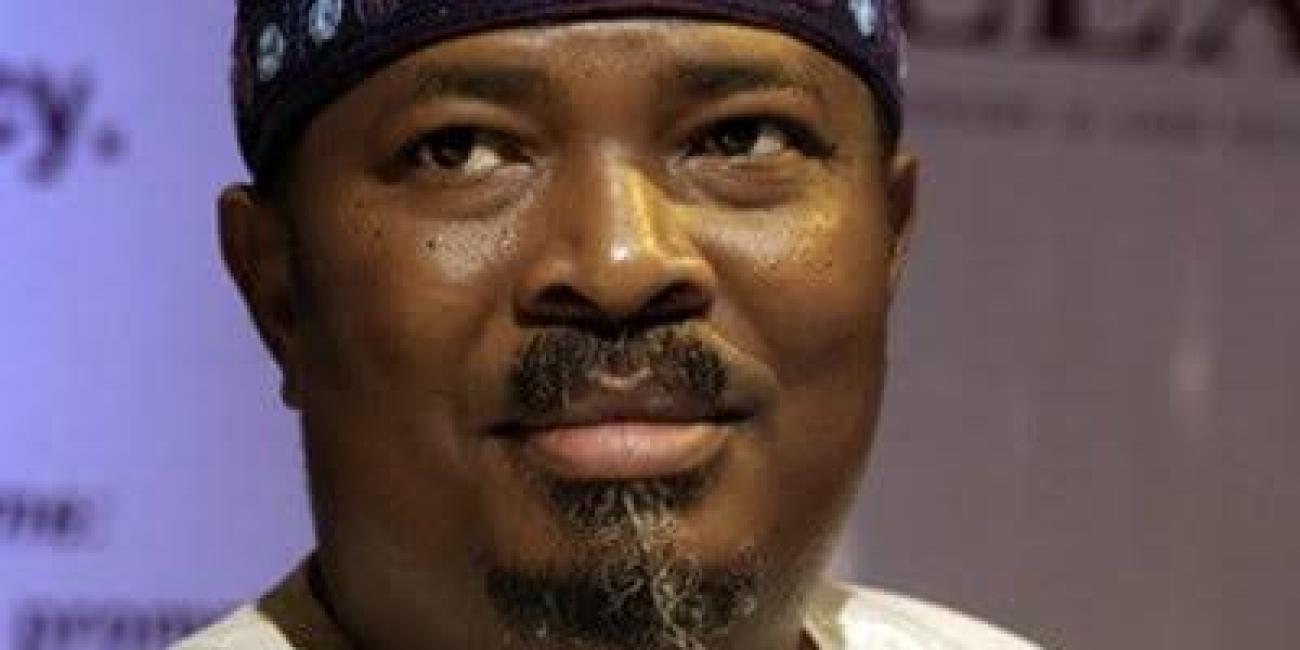
In a dramatic turn of events, a Federal High Court in Lagos State has issued an ex-parte order freezing the assets and accounts of General Hydrocarbons Limited across all commercial banks in Nigeria. This development, announced by Sahara Reporters via its official X (formerly Twitter) handle, marks a significant escalation in the legal battle involving the high-profile company and its founder, Nduka Obaigbena.
The freezing order stems from a lawsuit filed by First Bank of Nigeria Limited and FBNQuest Trustees Limited, accusing General Hydrocarbons Limited of failing to repay an eye-watering debt of $225,802,379.69 (approximately $225.8 million) in loan facilities as of September 30, 2024.
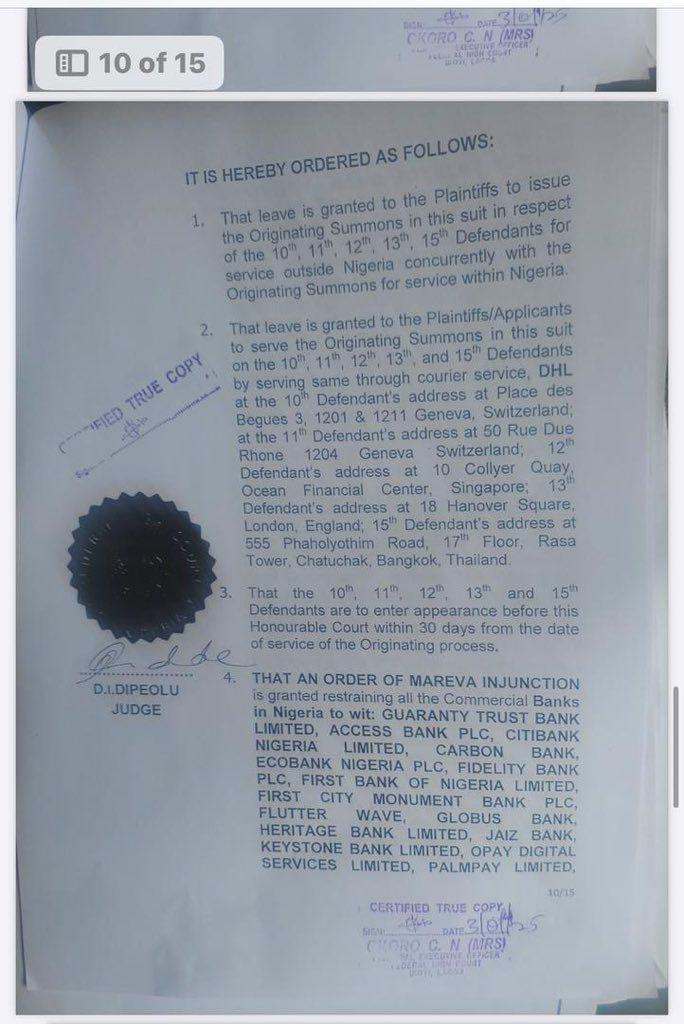
Justice D.I. Dipeolu, who presided over the case, issued the order on December 30, 2024, effectively halting all commercial banks in Nigeria from dealing with or releasing assets belonging to General Hydrocarbons Limited, its subsidiaries, or affiliates. This measure is aimed at preventing the potential dissipation or offshore transfer of funds while the case remains in court.
The enrolled court order, obtained by Sahara Reporters, includes not just the company but also its founder, Nduka Obaigbena, and several other defendants:
Efe Damilola Obaigbena
Olabisi Eka Obaigbena
GHL 121 Ltd
Aimonte Nigeria Limited
Calidin Global Resources Limited
CESL Oyo Production BBC Limited
A Blow to General Hydrocarbons Limited’s Operations
The court’s move has cast a spotlight on General Hydrocarbons Limited, a prominent energy firm linked to Nduka Obaigbena, a veteran media mogul and publisher of ThisDay Newspaper and the Arise News Channel. The lawsuit has raised questions about the company’s financial stability and the accountability of high-profile individuals involved in Nigeria’s business landscape.
Industry experts have speculated that this order could paralyze the operations of General Hydrocarbons Limited and its affiliates, putting significant pressure on Obaigbena and his associates to resolve the outstanding debt or face further legal consequences.
While freezing orders like this are not uncommon in financial disputes, the scale of this case underscores the growing trend of Nigerian commercial banks resorting to the judiciary to recover debts from high-profile defaulters.
Under the Banks and Other Financial Institutions Act (BOFIA), the Central Bank of Nigeria (CBN) also holds the authority to seek freezing orders for accounts suspected of illegal activities. However, this case differs as it is driven by private litigants seeking to protect their financial interests.
The news has sparked widespread public interest, with commentators noting that the case reflects a broader challenge of debt recovery in Nigeria’s financial ecosystem. Some have called for greater regulatory oversight to prevent such massive loan defaults from escalating into legal battles.
Observers believe this case could set a precedent for commercial banks pursuing large-scale debt recovery through the courts, particularly against prominent individuals and companies.
As the lawsuit unfolds, all eyes will remain on Obaigbena and General Hydrocarbons Limited. Will they manage to settle the debt and salvage their reputation, or will this case further entangle one of Nigeria’s most prominent business figures in controversy?
One thing is clear: this legal battle has only just begun, and the ramifications could ripple far beyond the courtroom. Stay tuned for updates as the story develops.
 PIONEER NEWS