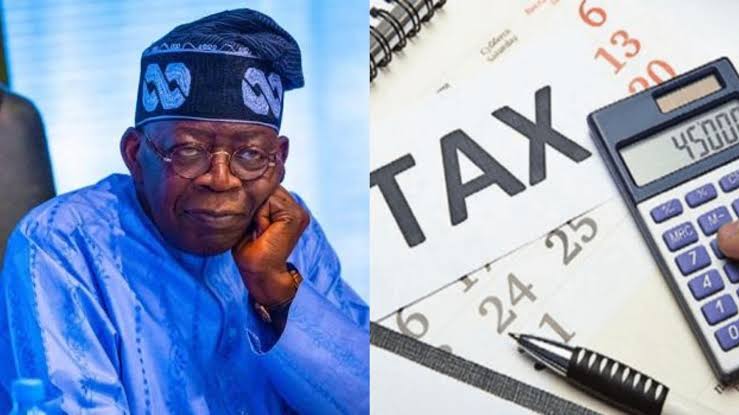
In a fresh wave of criticism, the Northern Elders Forum (NEF) has once again voiced its disapproval of the tax reform bills proposed by the administration of President Bola Ahmed Tinubu. Describing the reforms as “flawed” and potentially devastating to the socio-economic fabric of Northern Nigeria, the forum has called for their immediate suspension.
In a strongly worded press statement issued on Saturday and signed by A.M. Al-Amin Daggash, Chairman of the NEF Board, the forum outlined its grave concerns about the reforms’ potential to exacerbate economic inequalities and stifle democratic processes. The NEF also lambasted the government for what it termed an “authoritarian approach” to governance, accusing the Tinubu administration of ignoring critical voices and undermining democratic freedoms.
“It is terribly shocking that, in this time and age, with nearly three decades of unbroken democratic governance, our dear country is saddled with a government that works assiduously to deny its citizens the vigorous ventilation of democratic opinions and freedom of expression,” the statement read.
The NEF emphasized that the proposed tax reforms fail to consider the unique economic realities of Northern Nigeria, where many citizens and businesses are still grappling with the devastating effects of insecurity, inflation, and systemic poverty. According to the forum, implementing such reforms without proper consultation and impact assessment would not only widen regional economic disparities but also deepen the already-existing mistrust between the government and its people.
The forum further accused the Tinubu administration of prioritizing revenue generation over the well-being of Nigerians. “The primary role of any government is to serve its people, not to burden them with policies that are detrimental to their survival. These tax reforms, if implemented, will suffocate small businesses, discourage investment, and push more citizens into poverty,” the NEF warned.
In addition to suspending the proposed reforms, the NEF urged the government to engage in broad-based consultations with stakeholders, including representatives from Northern communities, to design policies that reflect the diverse economic realities of the nation.
Political analysts have noted that this is not the first time the NEF has clashed with the Tinubu administration, as the forum has consistently positioned itself as a watchdog advocating for the interests of Northern Nigeria. With this latest criticism, it remains to be seen whether the federal government will yield to the growing dissent or proceed with its controversial reforms.
As the debate over the tax reform bills intensifies, the NEF’s stance underscores a deeper national conversation about governance, equity, and the balance of power in Nigeria’s democratic landscape. For now, the ball is firmly in the court of the Tinubu administration, which must decide whether to listen to these voices of dissent or risk further alienating a significant portion of the country.
 PIONEER NEWS