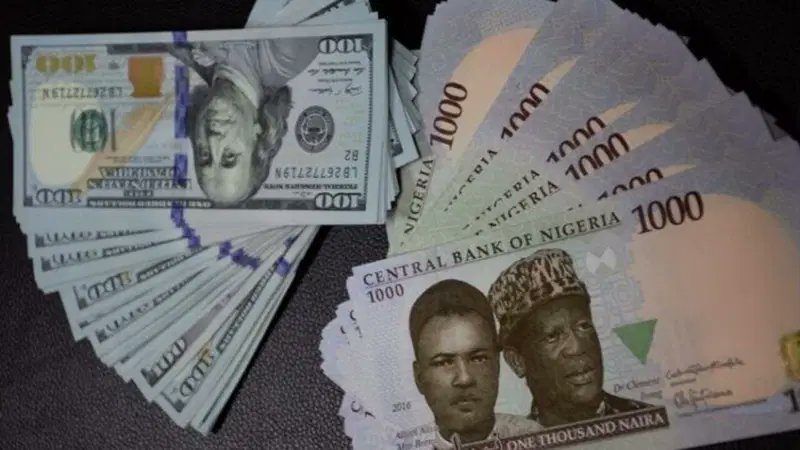
In a shocking development for Nigeria’s economy, the naira has hit a record low of N1,660 against the dollar in the parallel market. The announcement was made by Nigerian Stories through its official X handle, sending ripples of concern across the nation.
The continued depreciation of the naira underscores the deepening challenges facing Africa’s largest economy, as foreign exchange scarcity and economic uncertainties weigh heavily on the currency. This alarming milestone has sparked fresh debates about the effectiveness of government policies aimed at stabilizing the naira.
Financial analysts attribute the currency’s freefall to a combination of factors, including dwindling foreign reserves, speculative trading, and reduced dollar inflows from oil revenue, which traditionally serves as Nigeria’s economic backbone. The Central Bank of Nigeria’s recent unification of exchange rates, while lauded by some as a bold step toward transparency, has failed to stem the tide of the naira’s decline on the black market.
Experts have warned that this sharp depreciation could have severe consequences for the average Nigerian. Rising import costs will likely lead to increased inflation, further straining households already grappling with skyrocketing food and fuel prices. Businesses that rely on imported goods and services are also expected to feel the pinch, with many struggling to remain afloat.
“This is a critical moment for Nigeria’s economy,” said Dr. Emmanuel Okonkwo, a financial analyst. “The government must take urgent steps to address the structural issues driving the naira’s depreciation. Failure to act swiftly could push more Nigerians into poverty and jeopardize economic stability.”
On the streets, the mood is one of frustration and anxiety. Many Nigerians are now forced to pay exorbitant rates for foreign currency, with some expressing fears of a looming economic crisis. Traders, importers, and students studying abroad have been particularly hard-hit, as the gap between the official and parallel market rates continues to widen.
The government, however, remains optimistic. Officials from the Central Bank of Nigeria have assured the public that measures are being implemented to stabilize the naira and boost dollar liquidity in the system. These include attracting foreign direct investments, addressing oil theft to maximize revenue, and encouraging non-oil exports.
Despite these assurances, confidence in the government’s ability to rescue the naira remains low, with many calling for more aggressive reforms and tighter regulation of the parallel market.
As Nigeria faces this economic crossroads, all eyes are on policymakers to provide solutions that can restore stability and rebuild public trust. For now, the naira’s steep fall serves as a sobering reminder of the urgent need for decisive action to steer the economy back on track.
 PIONEER NEWS