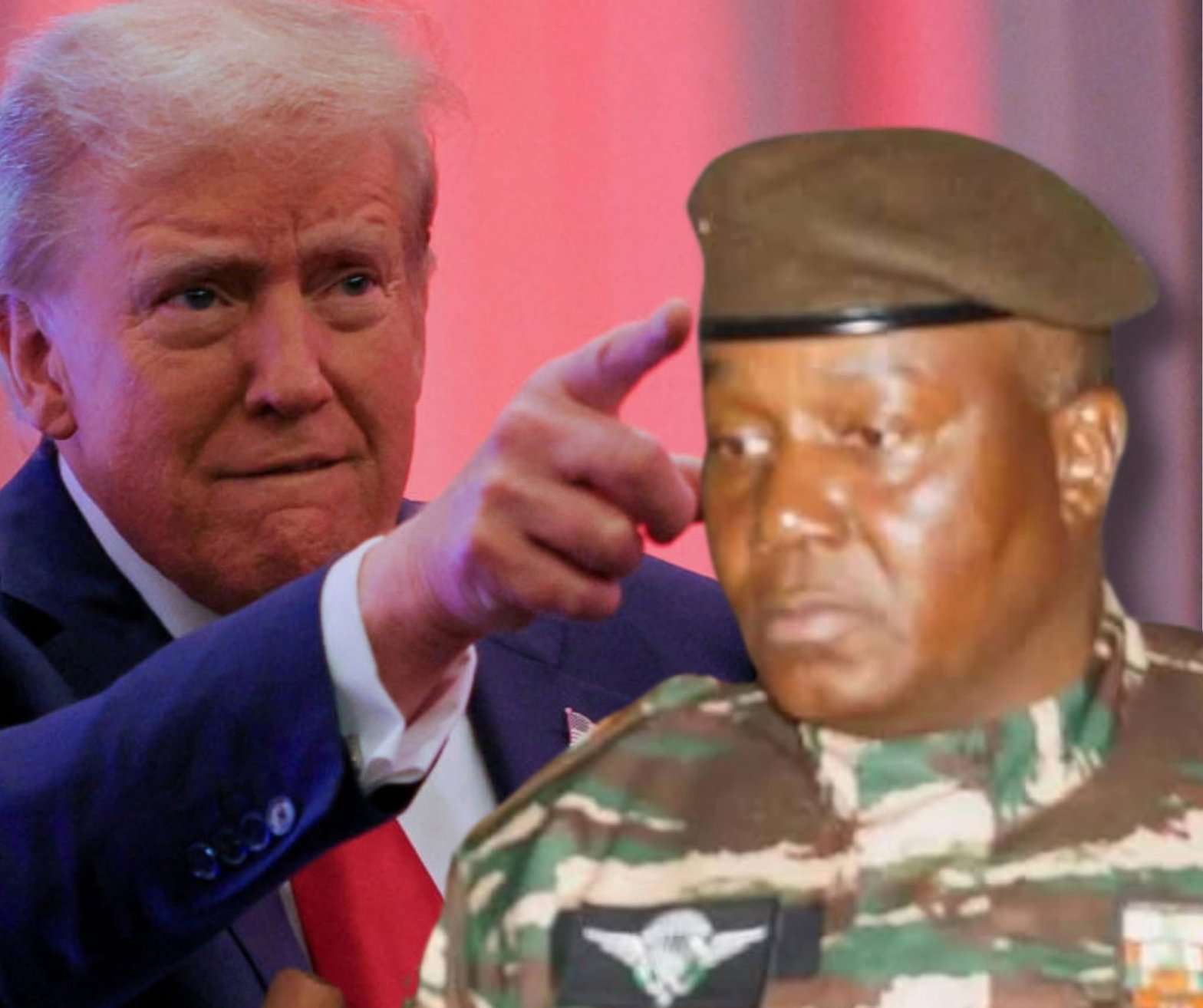
Renowned security analyst and counterinsurgency expert Zagazola Makama has ignited a fresh wave of intrigue with his latest commentary on unfolding events in Niger, shared through his official X handle. His analysis, titled “Tiani’s Unconventional Diplomacy: Navigating Absurdistan’s Turbulent Waters,” delves into the enigmatic and tumultuous decisions shaping Niger’s geopolitical landscape in 2025.
The drama intensified with an unexpected announcement from the US Embassy in Niamey, suspending all consular activities in Niger “until further notice.” While the official rationale remains shrouded in diplomatic ambiguity, this development has sparked widespread speculation. What lies beneath this suspension? Is it a strategic move by the United States, or a reaction to Niger’s increasingly erratic diplomatic posture?
Adding to the surrealism of the scenario, Niger recently celebrated the so-called “Ti-aneries” on December 25—a controversial event seemingly designed to send a biting message to its perceived adversaries, including France, Nigeria, Benin, and Côte d’Ivoire. These symbolic “red balls” appeared less festive and more provocative, a tongue-in-cheek taunt aimed at nations deemed “naughty” in Niger’s narrative of grievance.
The focal point of this unfolding diplomatic saga is General Abdourahamane Tiani, the military strongman and head of Niger’s junta. Underpinning the current tensions is a bombshell report authored by Bala Arabé, Niger’s shadowy chief spy and director of the Directorate General for External Security (DGDSE). Known for his flair for theatrics rivaling the most captivating espionage thrillers, Arabé alleged that the CIA is conspiring to overthrow Tiani. He claimed that American diplomats, cloaked in the guise of routine diplomatic assignments, have been orchestrating the groundwork for a coup.
Tiani, never one to welcome foreign meddling, responded with characteristic audacity. Niger’s Secretary of Foreign Affairs was directed to deliver a stern warning to the U.S. Ambassador: any American diplomat or citizen on Nigerien soil would henceforth be subjected to interrogation under what insiders have dubbed “Balarabesque” scrutiny. This ominous process, marked by a disregard for human rights and absurdly paranoid questioning, has drawn sharp international criticism.
The United States wasted no time in condemning Niger’s actions, labeling them as a flagrant violation of diplomatic norms. The superpower’s statement hinted at a growing impatience with Tiani’s erratic governance, emphasizing that these measures undermine the principles of international diplomacy.
Observers note that while Tiani’s provocations may amuse his regional counterparts—Macron in France, Tinubu in Nigeria, Talon in Benin, and Ouattara in Côte d’Ivoire—his antics might not sit well with a global power like the United States, particularly under a leader like Donald Trump. Should Tiani’s defiance escalate, Niger could find itself further isolated, with its citizens paying the price as essential diplomatic services are suspended indefinitely.
For Nigeriens, the cost of Tiani’s bravado is becoming increasingly clear. Cut off from critical consular services, the population faces mounting challenges as their leader’s gambit plays out on the international stage. As the world watches this bizarre diplomatic saga unfold, one question looms large: will Tiani’s gamble secure his regime, or will it plunge Niger deeper into chaos and isolation?
The unfolding drama is a stark reminder of how even the most isolated nations can command global attention when power plays and paranoia collide in the theater of international diplomacy.
 PIONEER NEWS