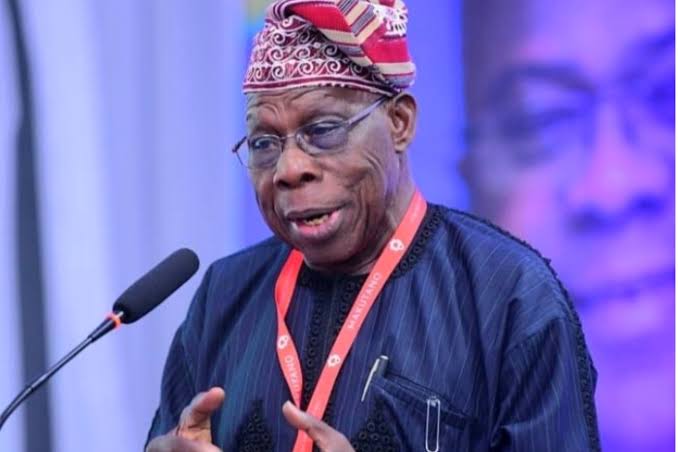
In a startling revelation that has sparked heated discussions across the nation, former President Olusegun Obasanjo disclosed that the Nigerian National Petroleum Corporation (NNPC) turned down an offer from Africa’s richest man, Aliko Dangote, to manage Nigeria’s ailing refineries. This information was shared via the official X handle of Nigerian Stories, igniting debates about the government’s approach to addressing the long-standing issues plaguing the country’s energy sector.
According to Obasanjo, Dangote proposed a $750 million deal to take over the management of Nigeria’s refineries, a move that many believe could have revolutionized the nation’s downstream petroleum sector. The offer, made years ago, reportedly aimed to breathe life into the underperforming refineries, which have become synonymous with inefficiency, massive losses, and endless turn-around maintenance costs.
Obasanjo, known for his blunt commentary on national affairs, described the rejection as a monumental error. “Here was someone with the expertise, capital, and commitment to turn things around, but bureaucracy and politics got in the way,” he lamented. Many industry experts share his sentiment, calling the decision a glaring example of the Nigerian government’s failure to prioritize economic pragmatism over political considerations.
The former President’s revelation has reignited public scrutiny of NNPC’s management of the nation’s four refineries, which have consistently operated far below capacity. Despite billions of dollars allocated for maintenance over the years, Nigeria continues to rely heavily on imported refined petroleum products, a practice that drains the nation’s foreign reserves.
Dangote’s proposal, which reportedly included a robust plan to overhaul the refineries and ensure their profitability, could have positioned Nigeria as a leader in Africa’s downstream sector. With his track record of delivering world-class projects, including the recently commissioned Dangote Refinery in Lagos — Africa’s largest single-train refinery — many believe his involvement could have transformed the narrative of fuel scarcity and soaring energy costs.
The revelation has drawn mixed reactions from Nigerians. While some blame entrenched interests within the NNPC for the rejection, others question whether the government was wary of granting too much control to a private entity.
Dr. Akin Olorunfemi, an energy analyst, criticized the NNPC’s decision as “short-sighted.” “With the state of our refineries, rejecting a private-sector-driven solution of this magnitude is indefensible,” he said.
On social media, Nigerians expressed their frustrations, with many accusing the government of sabotaging progress for selfish reasons. “This is why we remain the way we are — rejecting opportunities to move forward,” one user wrote.
Obasanjo’s disclosure comes at a critical time when the country is grappling with the effects of subsidy removal, fluctuating fuel prices, and public discontent over economic hardships. Analysts argue that such revelations should prompt a thorough investigation into the NNPC’s operations and decision-making processes.
As Nigerians continue to demand transparency and accountability, the question remains: could the rejection of Dangote’s $750 million offer be one of the greatest missed opportunities in the country’s oil and gas history?
Obasanjo’s bold revelation has undoubtedly thrown the spotlight on the challenges of balancing politics, governance, and economic development in Nigeria. Whether this will spark meaningful change or fade into the archives of history remains to be seen.
 PIONEER NEWS