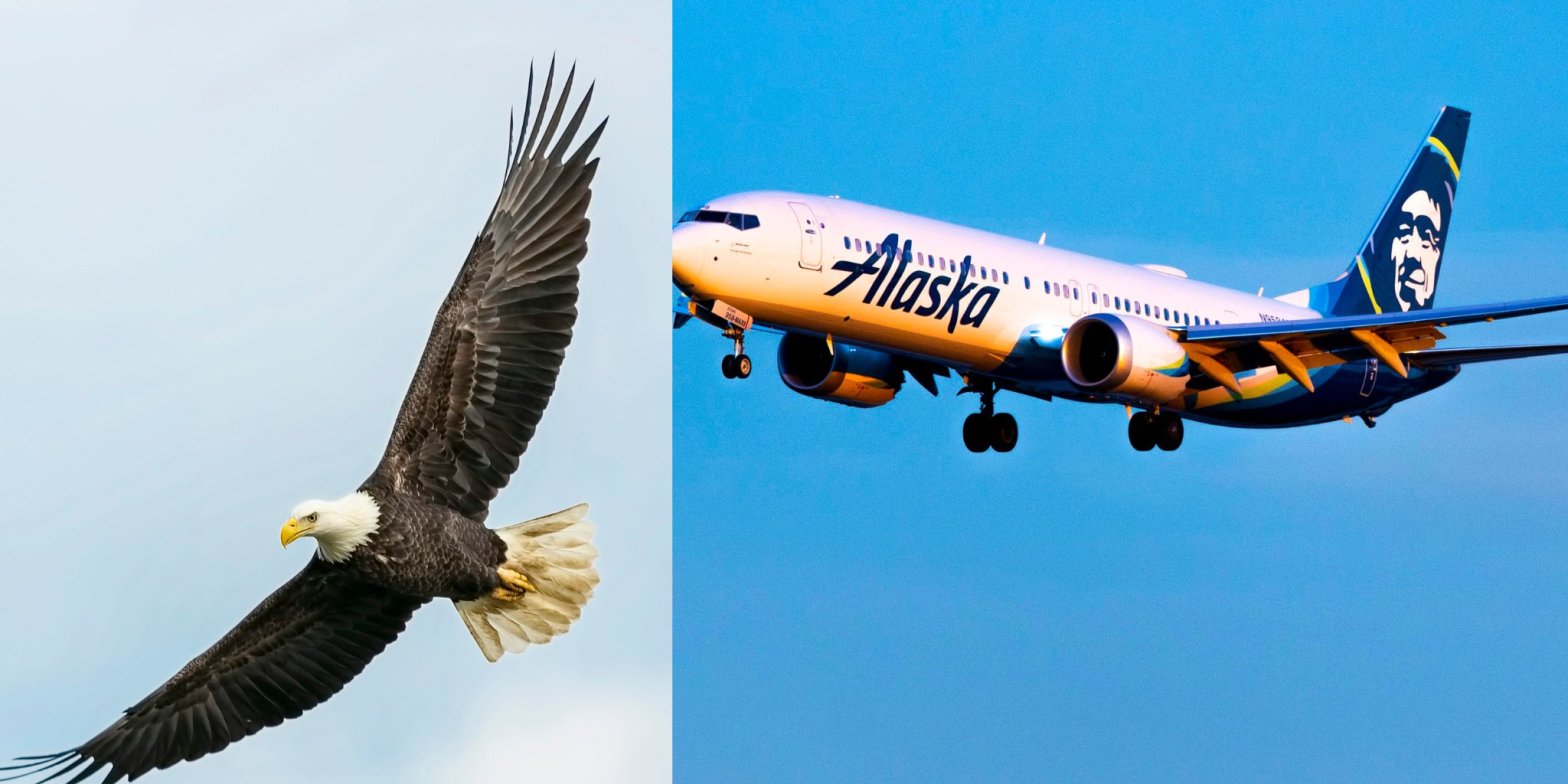
In a dramatic turn of events, a Horizon Air flight was forced to make an emergency return to the Ted Stevens Anchorage International Airport in Alaska after colliding with an eagle mid-flight. The incident, which unfolded on [date], has sparked conversations about the increasing challenges faced by airlines due to bird strikes.
According to Sahara Reporters, the aircraft, which had just taken off from Anchorage, encountered the unexpected collision shortly after departure. The eagle, one of Alaska’s iconic wildlife species, struck the plane, prompting the pilots to act swiftly to ensure the safety of everyone onboard.
The flight crew, adhering to strict safety protocols, immediately informed air traffic control and executed a controlled return to the airport. Passengers were reported to be calm during the ordeal, with the cabin crew providing reassurance throughout the process.
Preliminary inspections revealed damage to one of the plane’s engines, underscoring the potentially severe impact of bird strikes on aviation safety. The airline has since issued a statement emphasizing its commitment to passenger safety and its cooperation with aviation authorities to investigate the incident.
Bird strikes remain a significant challenge for the aviation industry, particularly in regions like Alaska, where abundant wildlife coexists with bustling air traffic. This incident has reignited discussions about implementing advanced technologies and strategies to mitigate such risks.
While no injuries were reported, passengers were left shaken by the rare and harrowing experience. Many have taken to social media to praise the professionalism of the pilots and crew for their swift actions that ensured a safe outcome.
The Federal Aviation Administration (FAA) is expected to conduct a thorough investigation into the incident to evaluate the circumstances surrounding the collision and to assess if additional safety measures are required to prevent similar occurrences in the future.
As the story unfolds, the aviation community is reminded of the delicate balance between technology and nature and the need for continued vigilance in ensuring passenger safety.
 PIONEER NEWS