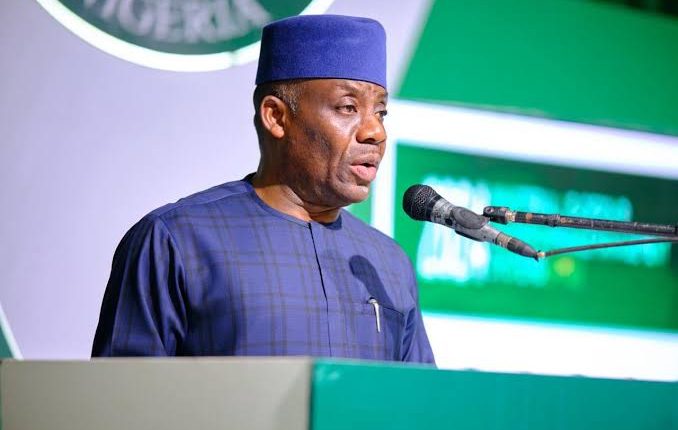
In a move hailed as a landmark step in reviving cultural awareness and national identity, the Nigerian Minister of Education has officially confirmed the reintroduction of History as a subject in primary and secondary school curricula. The announcement, which was shared by Sahara Reporters via their official X (formerly Twitter) handle, has sparked widespread discussions and commendations across the country.
The decision to reintroduce History comes after years of advocacy from educators, historians, and cultural enthusiasts who lamented its removal from the curriculum. Critics of the initial decision to phase out History argued that it left Nigerian students disconnected from their roots, cultural heritage, and the rich narratives that have shaped the nation’s journey.
According to Sahara Reporters, the Minister emphasized that History’s reinstatement is part of a broader educational reform aimed at fostering a deeper understanding of Nigeria’s past, its heroes, struggles, and triumphs. “History is not just a subject; it is the soul of our nation. Through it, we can educate the next generation about where we come from, who we are, and where we aspire to be,” the Minister reportedly stated.
This bold move aligns with global educational standards, which recognize History as a vital tool for critical thinking, cultural preservation, and nation-building. Educators across the country have expressed optimism about the impact of the decision, with many seeing it as a crucial step in nurturing a sense of patriotism and unity among young Nigerians.
However, the implementation of this initiative will come with challenges. Experts warn that the reintroduction must go beyond mere classroom lectures and involve the development of comprehensive, accurate, and inclusive textbooks. Additionally, they emphasize the need for adequately trained teachers to bring the subject to life and make it relevant to students in a modern, globalized context.
Parents and students have also weighed in on the announcement, with many celebrating the opportunity to reconnect with Nigeria’s rich and diverse history. Social media platforms are already abuzz with debates on the potential impact of this educational reform on national consciousness and the future of Nigerian youth.
The reintroduction of History in schools comes at a time when the nation faces numerous sociopolitical challenges, making it more crucial than ever to reflect on lessons from the past. Could this move ignite a renewed sense of identity and pride among Nigerians?
As the policy rolls out, all eyes will be on how the government executes this initiative and ensures that it becomes a meaningful and transformative part of Nigeria’s education system. For now, the return of History to classrooms is a powerful statement about the importance of understanding the past to chart a better future.
Stay tuned as this story unfolds and its impact on the nation’s educational landscape becomes clearer.
 PIONEER NEWS