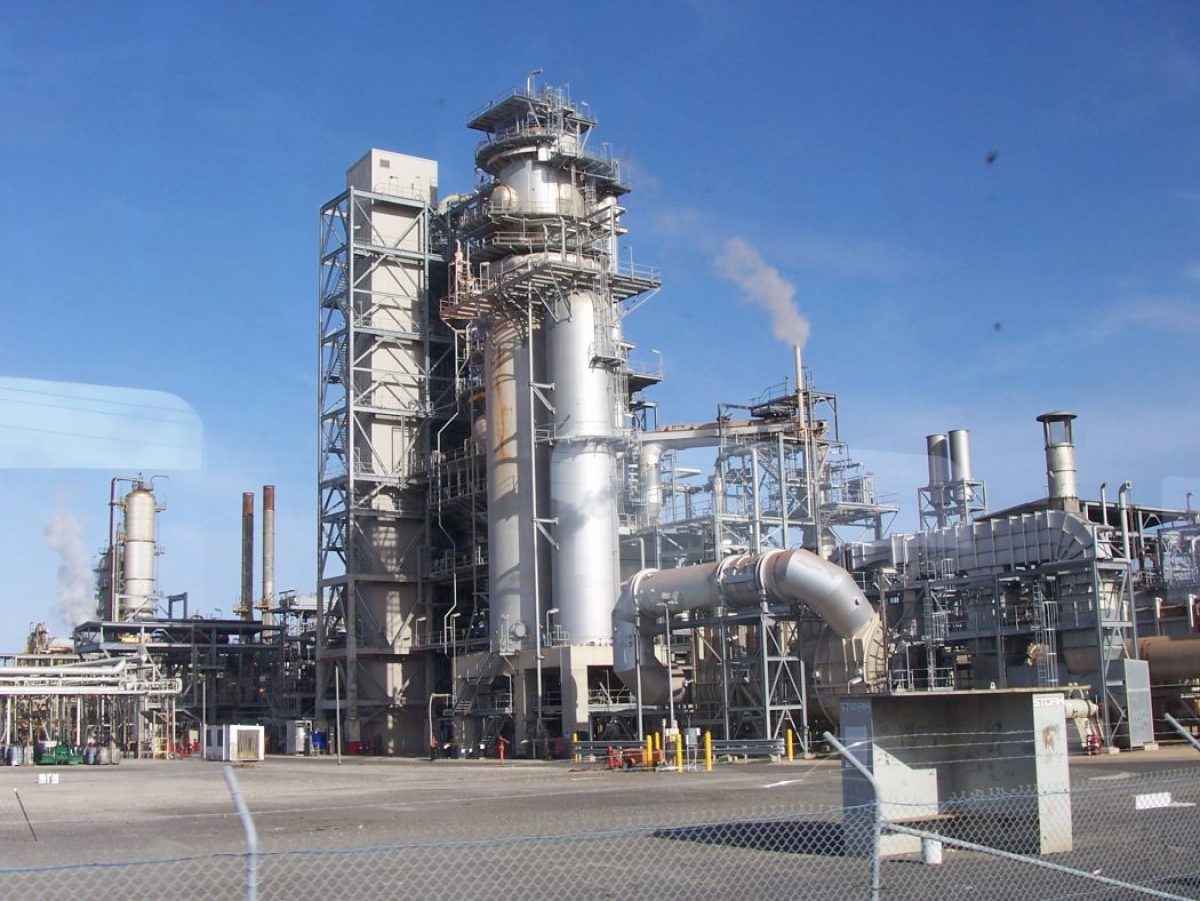
In a startling revelation, Sahara Reporters has disclosed that the Warri Refinery, a critical component of Nigeria’s oil infrastructure, is currently producing only diesel and kerosene, while petrol production remains halted. This information, shared via the media platform’s official X (formerly Twitter) handle, highlights ongoing challenges within the nation’s petroleum sector.
According to insiders, the refinery is operating at a fraction of its capacity due to two of its three processing plants being out of commission. This partial functionality underscores the enduring struggles faced by Nigeria’s state-owned refineries, which have long been criticized for inefficiency, corruption, and inadequate maintenance.
The Warri Refinery, one of Nigeria’s four state-run refineries, was recently touted as undergoing repairs to restore full operational capacity. However, these new revelations suggest that the facility remains far from achieving this goal, exacerbating the nation’s dependence on imported petrol to meet domestic demand.
Sources further disclosed that the production of diesel and kerosene, while a welcome development, falls short of addressing the broader fuel crisis plaguing the country. Diesel remains a vital resource for powering industries and transportation, while kerosene is widely used for cooking in rural and low-income households. However, the lack of petrol production continues to strain consumers, with prices skyrocketing in the aftermath of the government’s subsidy removal.
The moribund state of two-thirds of the refinery’s operations raises pressing questions about the effectiveness of the ongoing rehabilitation efforts. It also casts a shadow on the government’s ambitious promises to revamp the oil sector and achieve self-sufficiency in fuel production.
Critics have pointed out that despite billions of naira being funneled into refinery maintenance over the years, the facilities remain largely inefficient. This has led many to advocate for the privatization of the refineries to improve management and operational efficiency.
As Nigeria grapples with these challenges, the spotlight is once again on the Nigerian National Petroleum Corporation (NNPC) and its commitment to delivering on its reform agenda. Will the Warri Refinery’s partial operation signal the beginning of a turnaround, or is it yet another instance of promises unfulfilled?
The public awaits further clarification and action, as the nation’s energy future hangs in the balance.
 PIONEER NEWS