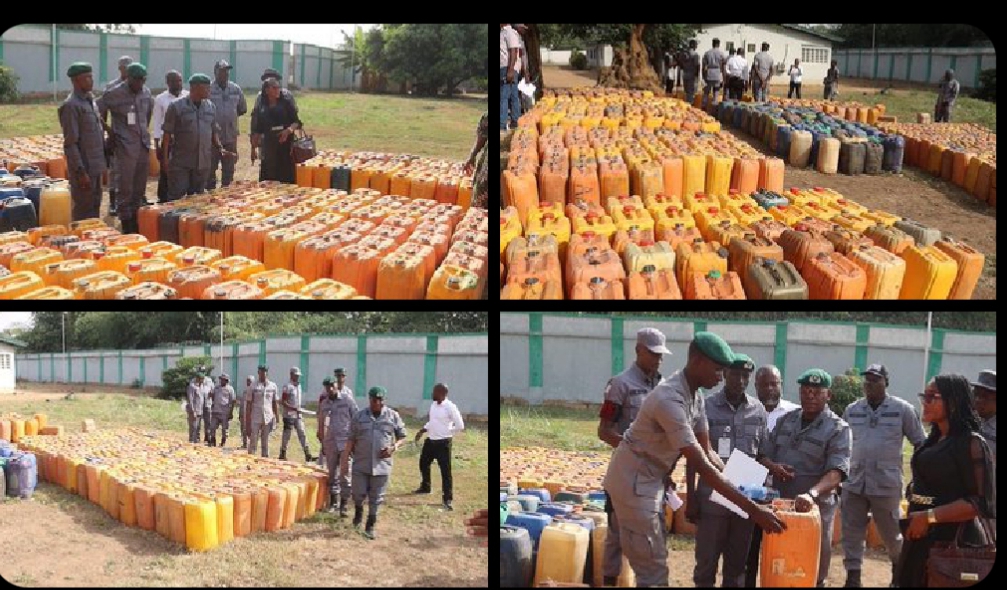
In a bold and unprecedented move, the Nigeria Customs Service (NCS) has announced plans to auction seized petrol at a discounted rate of N400 per litre. This announcement, made through the official X (formerly Twitter) handle of Nigerian Stories, has sparked widespread reactions among citizens grappling with rising fuel costs.
The decision comes as part of an initiative aimed at reducing the wastage of seized petroleum products while offering relief to Nigerians burdened by skyrocketing prices at the pump. According to the NCS, the petrol to be auctioned was confiscated from smugglers attempting to siphon fuel across the nation’s borders—a practice that continues to cost the country billions in lost revenue annually.
As the cost of living continues to rise, this move by the NCS is being lauded as a potential game-changer for many Nigerians. With the official pump price of petrol hovering around N620 per litre in most parts of the country, the auction price of N400 per litre represents a significant reduction that could bring much-needed relief to households and businesses alike.
However, the announcement has also raised questions about the logistics and fairness of the process. Critics have expressed concerns over transparency, urging the Customs Service to ensure that the auction is conducted openly to prevent hoarding or exploitation by middlemen.
The announcement has generated a flurry of reactions online, with Nigerians taking to social media to express their opinions. While some see it as a commendable effort to ease the burden on citizens, others have criticized the government for what they perceive as a temporary fix to deeper systemic issues in the petroleum sector.
“Why can’t the government fix the refineries instead of auctioning seized fuel? This is not sustainable!” one user commented. Another wrote, “This is a welcome development. At least it will bring some relief to the common man.”
While the move is being celebrated in some quarters, it also highlights the broader challenges facing Nigeria’s energy sector. Observers have pointed out that the recurring smuggling of petroleum products underscores the need for stronger border control measures and comprehensive reforms in the oil and gas industry.
The Nigeria Customs Service has yet to release detailed guidelines on how the auction will be conducted or who will be eligible to participate. Nigerians are eagerly awaiting further updates as the nation grapples with finding solutions to its economic and energy crises.
As the auction date approaches, all eyes will be on the NCS to ensure that this initiative is executed efficiently and transparently. Whether this move will offer lasting relief or serve as a short-term measure remains to be seen. However, it undeniably underscores the urgency of addressing the deeper issues plaguing Nigeria’s energy sector.
For now, Nigerians are left to weigh their hopes against their skepticism as they brace for what could be a much-needed respite in an era of relentless economic pressures.
 PIONEER NEWS