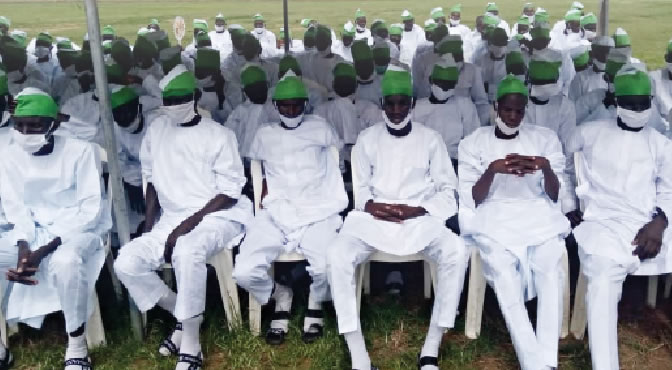
In a bid to counter the lingering threat of terrorism in Nigeria, the Federal Government has spent approximately N1.4 billion over the past 18 months on the rehabilitation of repentant terrorists and the establishment of specialized centres for terrorism trials. This development was revealed by Sunday PUNCH, sparking debates on the effectiveness and allocation of such resources in the nation’s anti-terrorism strategies.
The government’s commitment to tackling insurgency gained momentum following former President Muhammadu Buhari’s approval of the Terrorism (Prevention and Prohibition) Bill on May 12, 2022, which led to the creation of the National Counter-Terrorism Centre (NCTC). As part of its multifaceted approach, the NCTC aims to manage the delicate processes of disarmament, deradicalisation, rehabilitation, and reintegration of former members of terrorist groups, including Boko Haram.
In December 2022, the government announced plans to establish two comprehensive centres to facilitate these efforts. The centres are intended to house repentant terrorists, offering them opportunities for psychological rehabilitation, vocational training, and societal reintegration. Rear Admiral Yem Musa (retd.), the Coordinator of the NCTC, detailed the financial blueprint to the House of Representatives Committee on National Security and Intelligence. He noted that the NCTC’s capital projects for 2023 were pegged at N3.8 billion, with N2.4 billion earmarked for these rehabilitation and reintegration centres alone.
While the government’s efforts reflect its commitment to addressing terrorism through non-military measures, the allocation of such significant funds has drawn mixed reactions from Nigerians. Proponents argue that the centres are a necessary step towards breaking the cycle of violence and fostering peace. Critics, however, question the transparency of the expenditure and whether the resources could have been better utilized to provide security or support victims of terrorism.
As the nation grapples with these questions, the success of these centres will undoubtedly be closely monitored. Their ability to effectively reintegrate former combatants and curb recidivism may define Nigeria’s counter-terrorism narrative in the years to come.
 PIONEER NEWS