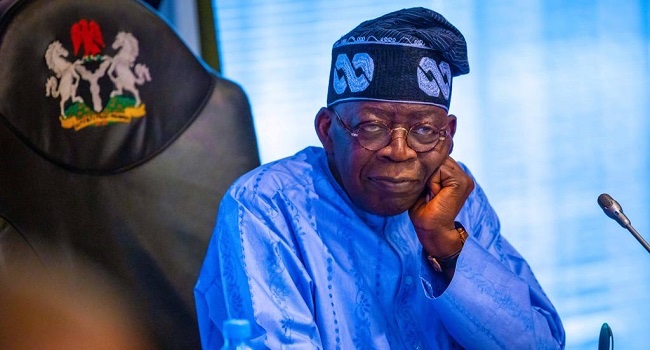
In a growing wave of dissent, Northern leaders have voiced their strong displeasure over President Bola Ahmed Tinubu’s unwavering stance on the contentious tax reform bills. The announcement, which was shared on the official X handle of Nigerian Stories, has sparked intense debate across the nation, reflecting the mounting discontent with the administration’s fiscal policies.
The controversial tax reform bills, which aim to overhaul Nigeria’s tax structure, have faced widespread criticism since their introduction. While the government touts them as necessary measures to address revenue shortfalls and stabilize the economy, many stakeholders, particularly from Northern Nigeria, argue that the reforms disproportionately burden already struggling communities.
President Tinubu’s declaration that there will be “no reversal” on the reforms has further deepened the divide. According to sources, Northern leaders see this as a dismissal of their concerns and a sign of insensitivity to the economic realities of the region.
“The president’s rigidity on this issue is troubling. These tax reforms are suffocating our people, and instead of providing relief, the government is doubling down on its position,” a prominent Northern leader reportedly stated.
Critics argue that the reforms are ill-timed, given the country’s current economic climate characterized by soaring inflation, unemployment, and the removal of fuel subsidies, which has already left many Nigerians grappling with increased living costs.
On the other hand, the presidency insists that the tax reforms are essential to creating a sustainable economic framework. A senior government official, defending the president’s stance, stated, “The reforms are tough but necessary. We cannot build a prosperous nation on a weak revenue base. These measures will ultimately benefit all Nigerians.”
This clash between the administration and Northern leaders underscores the broader struggle to balance economic reform with equitable governance. Analysts warn that the ongoing discontent could escalate into more significant political and social unrest if left unaddressed.
As the debate continues, the Tinubu administration faces mounting pressure to reconsider its approach or risk alienating key regional stakeholders in its bid to transform Nigeria’s economy.
 PIONEER NEWS