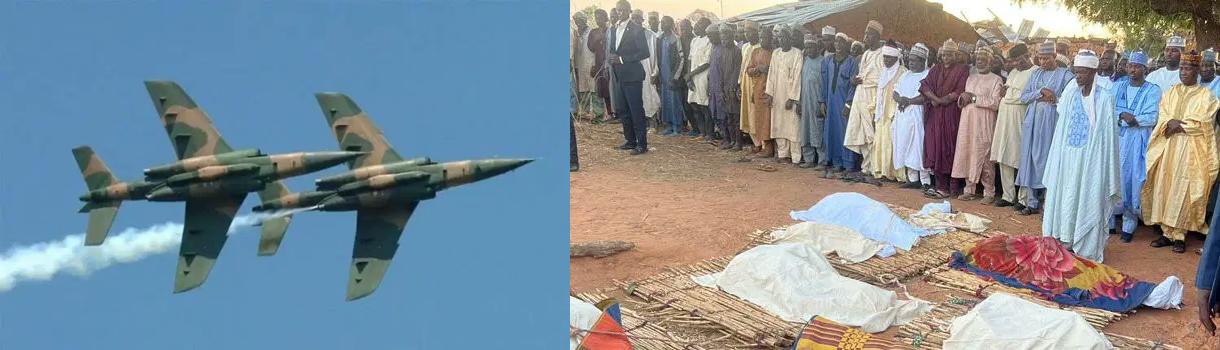
The Defense Headquarters (DHQ) has set the record straight on the tragic incident that claimed the lives of several villagers in Sokoto State, asserting that the fatalities were caused by an explosion of materials belonging to terrorists, not by airstrikes conducted by the Nigerian Air Force.
This clarification came in response to mounting speculations and misinformation circulating on social media, with various accounts alleging that a military airstrike had inadvertently targeted civilians. Addressing these claims, the DHQ emphasized that the explosion was triggered by improvised explosive devices (IEDs) stockpiled by terrorist elements operating in the area.
In a statement amplified by Nigerian Stories through its official X (formerly Twitter) handle, the DHQ highlighted that preliminary investigations and intelligence reports debunked the narrative of a botched military operation. Instead, the tragic incident was attributed to the hazardous stockpiling of explosive materials by terrorists, which accidentally detonated, leading to the loss of innocent lives.
“This was not an airstrike. The explosion that occurred in the village was caused by the mishandling of explosives by terrorists. Our troops remain committed to precision and professionalism in their operations,” the DHQ stressed.
The incident, which has left the local community in shock and grief, has once again spotlighted the dire security challenges faced by rural communities in northern Nigeria. While the military continues its counterinsurgency operations, terrorist groups remain entrenched, using civilian areas as hideouts and weapons storage points, thereby endangering the lives of innocent citizens.
The DHQ’s clarification is seen as an effort to mitigate public outrage and maintain trust in the military’s ongoing efforts to restore peace in the region. However, the statement has also raised questions about the persistent threat posed by terrorist elements and the need for more proactive measures to prevent such disasters in the future.
Community leaders and activists have called for enhanced intelligence gathering and closer collaboration between security forces and local residents to identify and dismantle terrorist networks. They argue that addressing the root causes of insurgency and ensuring the safety of rural communities must remain a top priority for the government.
The tragedy underscores the precarious situation in Sokoto and other parts of northern Nigeria, where residents often find themselves caught in the crossfire between military operations and terrorist activities. As investigations into the incident continue, the Defense Headquarters has reiterated its commitment to safeguarding civilian lives while intensifying efforts to neutralize insurgent threats.
This incident serves as a grim reminder of the complexities of counterinsurgency operations and the urgent need for all stakeholders to work together in ensuring lasting peace and security in Nigeria.
 PIONEER NEWS