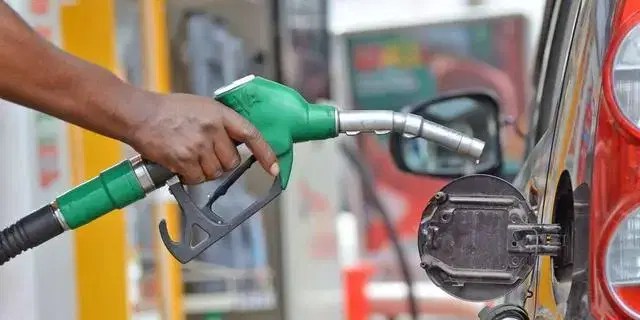
In a dramatic turn of events, competition among stakeholders in Nigeria’s downstream oil sector has triggered a significant drop in the price of Premium Motor Spirit (PMS), commonly known as petrol. According to an announcement on Vanguard Newspaper’s official X handle, petrol prices, which recently soared to record highs, have now dipped below N900 per litre.
The breakthrough came after the Dangote Refinery in Lagos reduced its price for marketers to N899.50k per litre, down from N1,020. This bold move has set off a ripple effect, forcing competitors to follow suit. The Sunday Vanguard reports that this strategic price adjustment by Dangote Refinery has been a key factor in easing the pressure on consumers, who had been grappling with relentless fuel price hikes.
In recent months, petrol prices have been a rollercoaster of anxiety for Nigerians. Between September 16 and October 10, the Nigerian National Petroleum Company Limited (NNPCL) steadily increased fuel prices across the country. Lagos residents saw prices rise from N950 to N998 per litre, while Abuja faced a spike to N1,030. The North-East bore the brunt of the hike with prices hitting N1,019 per litre.
This surge led to growing fears that prices would escalate further during the festive season, a period when transportation costs and consumer spending typically surge. The concern was palpable as families, businesses, and commuters braced for what seemed like an inevitable financial crunch.
However, in a surprising development, NNPCL recently announced a 12% reduction in petrol prices, marking a rare moment of relief for millions of Nigerians. The price slash, largely influenced by the Dangote Refinery’s competitive pricing strategy, signals a new chapter of affordability in the fuel market.
Experts have attributed this development to heightened competition among marketers in the downstream sector. This healthy rivalry has disrupted the previously unchecked price hikes and is poised to stabilize the market, at least in the short term.
While this price reduction is a welcome respite, questions linger about its sustainability. Analysts argue that external factors, such as global crude oil prices, exchange rate volatility, and domestic production capacity, will continue to play a crucial role in determining the long-term trajectory of petrol prices.
For now, Nigerians can breathe a sigh of relief as the fierce competition among stakeholders appears to have tipped the scales in favor of affordability. As the festive season approaches, the hope is that this trend will hold, offering some financial respite during a traditionally high-spending period.
This development underscores the power of competition in shaping market dynamics, providing a glimmer of hope for consumers amid Nigeria’s challenging economic climate.
 PIONEER NEWS