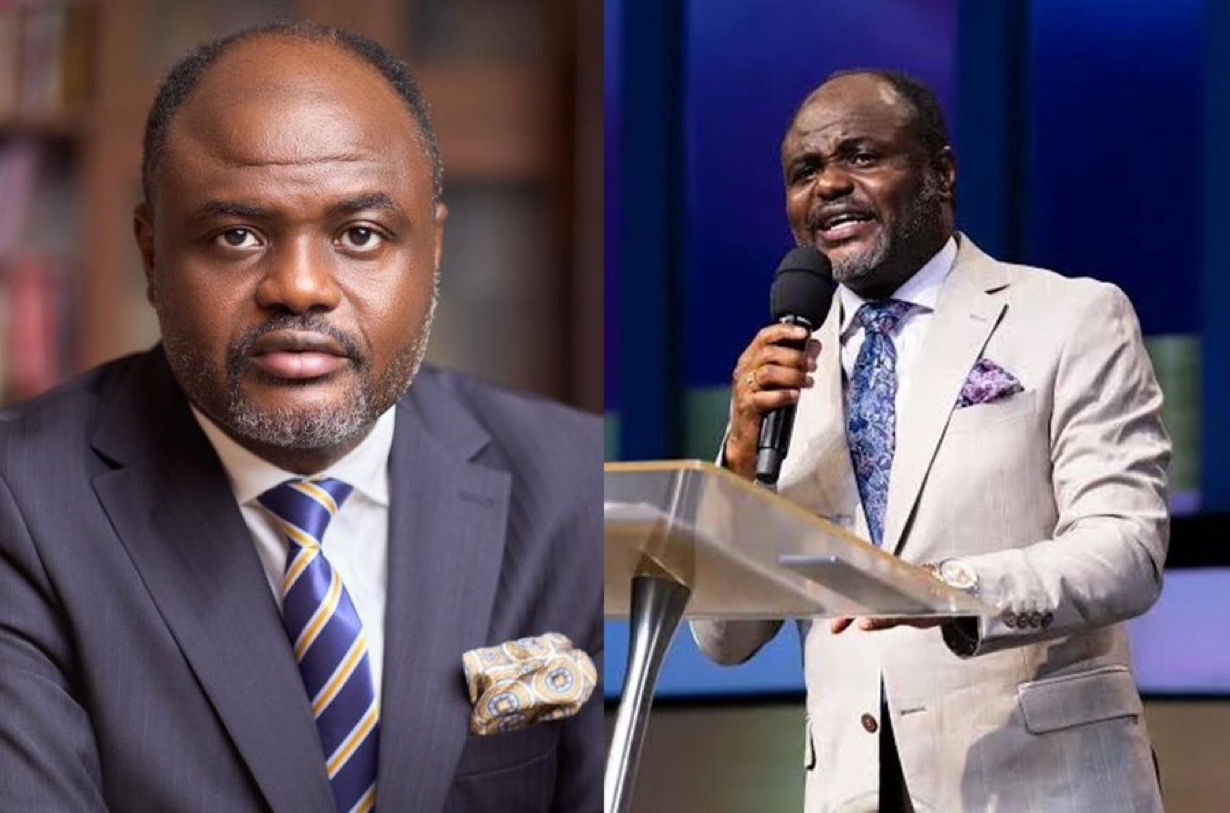
Renowned cleric and founder of Power City International, Pastor Abel Damina, has once again stirred public discourse with his bold statements on faith, social norms, and biblical teachings. Taking to his official X (formerly Twitter) handle, the outspoken pastor delved into three contentious topics, challenging conventional Christian beliefs and sparking widespread reactions across social media.
In his post, Pastor Damina declared, “I don’t believe in Christmas,” a statement that questions one of Christianity’s most celebrated holidays. He further asserted that members of the LGBTQ community are “not bad people,” emphasizing compassion and inclusivity over condemnation. In a theological twist, he added, “Nobody paid or received tithe in the New Testament,” disputing a long-standing practice in many contemporary churches.
Pastor Damina’s dismissal of Christmas as a Christian holiday isn’t new but remains provocative. He has previously argued that the Bible neither mandates the celebration of Jesus’ birth on December 25 nor associates it with the core teachings of Christianity. His stance reignites debates on whether Christmas is rooted in biblical traditions or adopted cultural practices.
In a society where discussions about the LGBTQ community often evoke heated debates, Pastor Damina’s empathetic remarks stand out. By stating that members of the community are “not bad people,” he challenges the stigma and discrimination they frequently face. His words reflect a call for love and understanding, echoing the Christian doctrine of “loving thy neighbor.”
The Tithing Debate
Perhaps the most theologically charged statement was his take on tithing. Pastor Damina’s claim that “nobody paid or received tithe in the New Testament” aligns with his long-standing critique of prosperity gospel teachings. He has often argued that tithing, a practice rooted in Old Testament law, is no longer a requirement under the New Covenant brought by Jesus Christ. This perspective challenges many modern churches that heavily emphasize the financial contributions of their congregants.
Unsurprisingly, the post has ignited a flurry of reactions online. While some have praised Pastor Damina for his courage and progressive outlook, others have criticized him for what they perceive as unorthodox or divisive teachings. Some Christians have questioned his theological interpretations, while members of the LGBTQ community and their allies have welcomed his inclusive remarks.
Pastor Damina is no stranger to controversy. Known for his unapologetic approach to ministry, he has frequently challenged mainstream Christian doctrines, encouraging believers to critically examine their faith in light of scripture.
As Pastor Damina’s statements continue to gain traction, they prompt deeper reflections on the evolving dynamics of faith, tradition, and societal values. Whether viewed as a bold reformer or a polarizing figure, his influence on contemporary Christian discourse cannot be ignored.
What do you think about Pastor Abel Damina’s remarks? Are his views a refreshing perspective or a step too far? Let us know your thoughts.
 PIONEER NEWS