Barely a month after its much-celebrated resumption of operations, the Port Harcourt Refining Company (PHRC) has once again ground to a halt, despite the federal government’s $1.5 billion rehabilitation investment. The refinery, hailed as a beacon of hope for Nigeria’s self-sufficiency in fuel production, has left industry stakeholders and citizens alike questioning the efficiency of its overhaul.
Production Comes to an Abrupt Halt
A visit to the facility on Thursday, December 19, 2024, revealed a grim reality: the lifting of Premium Motor Spirit (PMS), commonly known as petrol, had ceased entirely. According to findings by Saturday PUNCH, the suspension of operations began on Friday, December 13, when the refinery’s 18-arm loading bay—a critical component of its operations—was observed to be completely inactive.
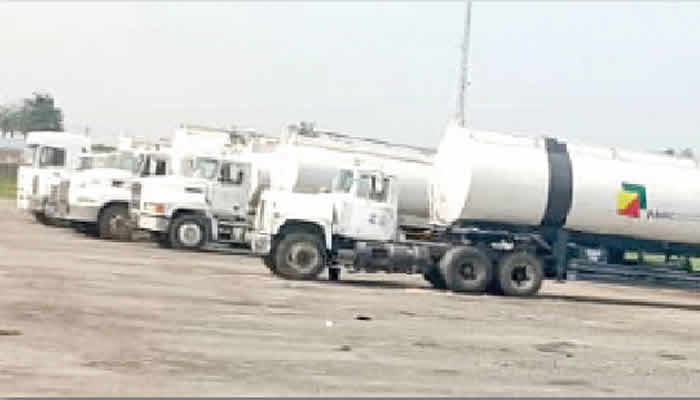
The usually bustling depot, which is a hub of activity with tankers jostling for space, was eerily quiet. The stretch of road leading to the refinery was dotted with about 18 stationary trucks, while nine more remained parked inside the facility’s yard. However, the loading bay itself stood empty, a stark contrast to the high expectations set during its rehabilitation announcement.
Witnesses described the scene as a ghost town, with no vehicular or human activity signaling any ongoing operations. The refinery, once anticipated to be a game-changer for Nigeria’s downstream petroleum sector, has now become a symbol of inefficiency and unfulfilled promises.
The shutdown has sparked outrage among Nigerians, many of whom feel shortchanged by the government’s substantial investment in the project. The $1.5 billion rehabilitation, lauded as a milestone in reducing the country’s reliance on imported fuel, now raises serious questions about project execution, transparency, and accountability.
While officials of the Port Harcourt Refining Company have yet to release an official statement, experts point to potential technical and operational challenges that may have been overlooked during the rehabilitation process. The recurring failures of Nigeria’s refineries also highlight systemic issues, including corruption, poor maintenance culture, and lack of technical expertise.
The refinery’s shutdown comes at a critical time when the nation grapples with soaring fuel prices and subsidy removal. With domestic production now stalled, Nigeria’s dependence on imported refined petroleum products is expected to deepen, further straining the nation’s foreign exchange reserves and increasing the burden on ordinary citizens.
Energy analysts and civil society groups have called for an independent investigation into the refinery’s repeated failures. Many are demanding that those responsible for the project’s management and execution be held accountable to prevent further waste of public funds.
As Nigerians await clarity on the reasons behind this latest shutdown, the Port Harcourt refinery saga underscores the urgent need for systemic reforms in the country’s oil and gas sector. For now, the $1.5 billion question remains: how did such a massive investment fail to deliver on its promise?
 PIONEER NEWS