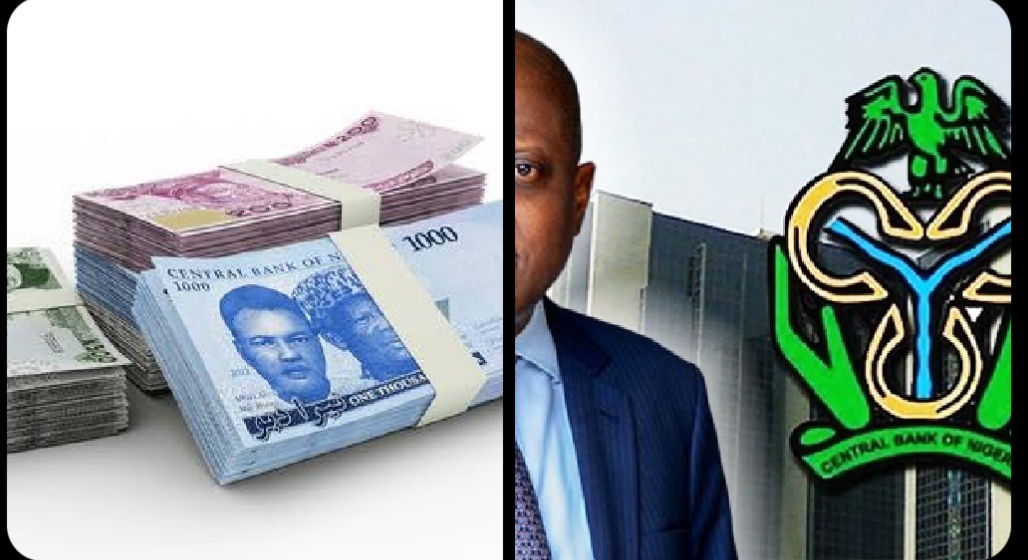
In a decisive move to restore financial discipline and curb the illegal circulation of the redesigned naira notes, the Central Bank of Nigeria (CBN) has imposed a staggering fine of N150 million on commercial banks found culpable of releasing the new currency notes to unauthorized hawkers.
The development was announced on the official X (formerly Twitter) handle of Nigerian Stories, sending ripples across the financial sector. The regulatory crackdown underscores the apex bank’s unrelenting commitment to ensuring that new naira notes are circulated through proper and lawful channels, particularly to ease hardships faced by Nigerians amid ongoing economic challenges.
According to sources close to the CBN, the sanctioned banks were caught violating directives designed to limit public exploitation and prevent currency hoarding. The hawking of new naira notes has become a worrying trend, often leading to artificial scarcity and outrageous charges for desperate citizens seeking access to cash.
The apex bank, in its statement, reiterated that the hoarding or illegal sales of naira notes contradicts its mission to promote economic stability and financial inclusion. “Such practices undermine the integrity of Nigeria’s financial system and will not be tolerated,” the CBN emphasized.
In the wake of this clampdown, financial experts are lauding the move as a bold step toward curbing widespread irregularities in cash distribution. “This sends a clear message to banks and their staff that complicity in such illegal acts carries dire consequences,” noted a senior economist.
Citizens, however, remain divided over the development. While some applaud the CBN’s enforcement measures, others call for broader reforms to address systemic challenges plaguing the country’s banking sector. Many are urging the apex bank to step up monitoring mechanisms to ensure accountability at all levels.
This fine is a wake-up call for financial institutions to adhere strictly to regulatory guidelines, as the CBN continues to wield its regulatory hammer against practices that disrupt Nigeria’s financial ecosystem. The Nigerian public is now watching closely to see if this action will deter further misconduct or simply scratch the surface of deeper systemic issues.
With the Central Bank of Nigeria determined to restore order and discipline, will this bold action spark broader reforms within the sector, or is it merely the first of many steps in a long journey toward transparency and accountability?
 PIONEER NEWS