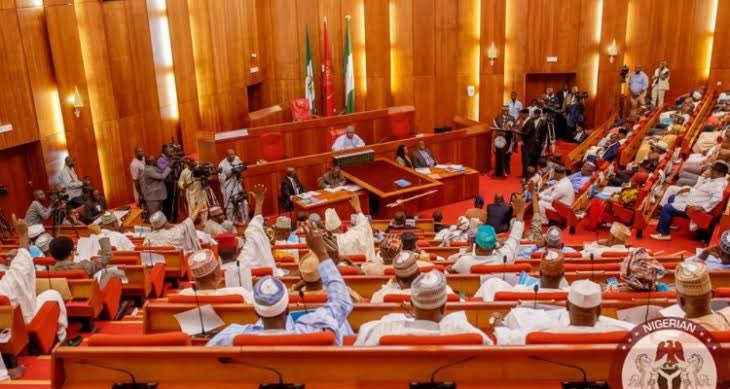
In a bold move that underscores the growing dissent within Nigeria’s legislative landscape, the South-East Senate Caucus has refused to endorse President Bola Ahmed Tinubu’s controversial tax reform bills. The caucus, representing a significant bloc of the Senate, has insisted on wider consultations before any approval can be granted.
The development was disclosed by Sahara Reporters through their official X handle (formerly Twitter), signaling a brewing standoff between the executive arm of government and lawmakers from the South-East. According to the report, the caucus expressed serious reservations over the proposed tax bills, citing inadequate engagement with critical stakeholders and potential socioeconomic repercussions for their constituents.
The senators have emphasized the need for a more inclusive approach to governance, arguing that tax reforms of such magnitude require robust dialogue with all relevant sectors. Sources within the caucus reveal that the lawmakers are particularly concerned about the potential impact of these bills on small and medium-sized enterprises (SMEs), which form the backbone of the region’s economy.
One senator, who spoke on condition of anonymity, remarked, “Our people are already grappling with economic hardship. Any tax policy that exacerbates their burden without adequate consultation is unacceptable.”
President Tinubu’s administration has been under pressure to increase revenue amid Nigeria’s mounting debt crisis. The proposed tax reforms aim to widen the tax net and boost government revenue, but critics argue that they disproportionately target the middle and lower classes while doing little to address systemic inefficiencies and corruption.
The South-East Caucus’ resistance adds another layer of complexity to Tinubu’s reform agenda, which has already faced significant pushback from labor unions, civil society groups, and opposition parties.
The refusal of the South-East Senate Caucus to endorse these tax bills highlights the widening rift between Tinubu’s administration and some regional blocs within the Senate. Observers believe this could set the stage for a prolonged legislative showdown, with far-reaching implications for the administration’s broader economic agenda.
As the debate continues, all eyes are now on the presidency and its next moves to address the concerns raised by the South-East senators. Will Tinubu’s government engage in the demanded consultations, or will it press forward with its reform agenda, potentially alienating a critical section of the legislative body?
This standoff serves as a stark reminder of the delicate balance required in governance, especially in a diverse and politically charged landscape like Nigeria’s.
 PIONEER NEWS