Nigerian Stories, a prominent media platform, has stirred national debate with a post on its official X (formerly Twitter) handle, describing the newly proposed Tax Reform Bills as “a wake-up call for northern leaders.” This statement has triggered a cascade of reactions from Nigerians across the socio-political spectrum.
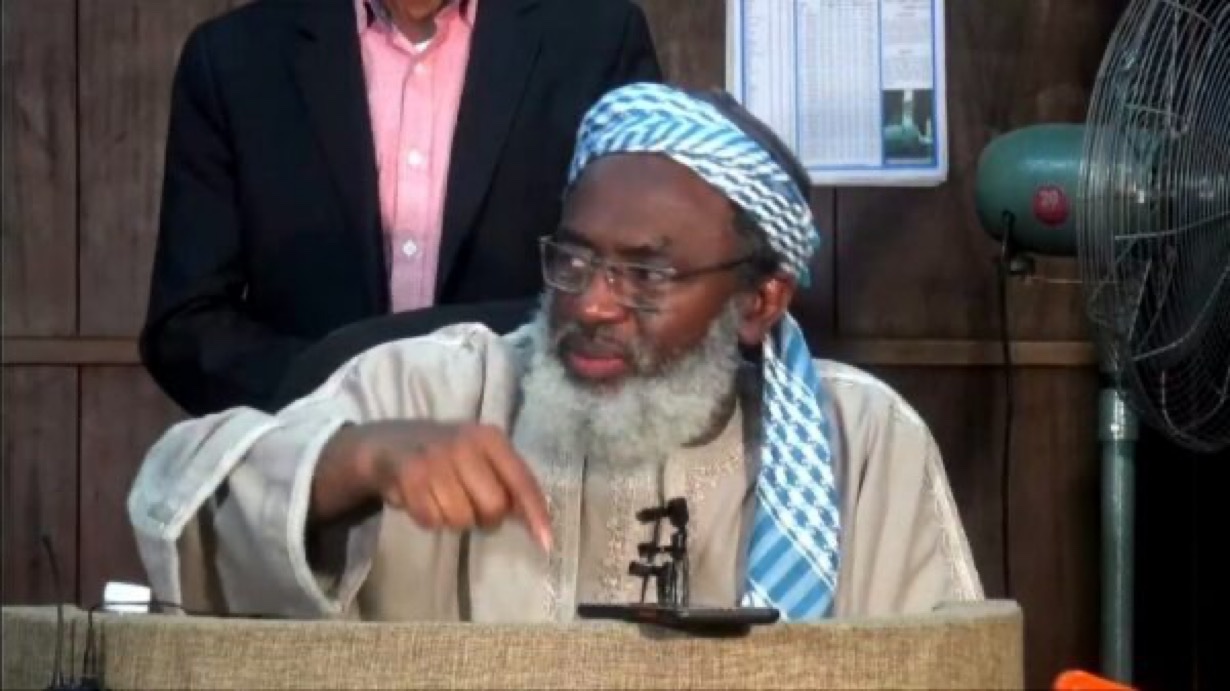
In a surprising move, controversial Islamic scholar Sheikh Ahmad Gumi has thrown his weight behind President Bola Ahmed Tinubu’s tax reform agenda. Gumi, known for his bold and often polarizing opinions, praised the reforms as a much-needed measure to address fiscal inefficiencies and promote accountability among northern leaders. He urged regional stakeholders to embrace the reforms, emphasizing that they would pave the way for greater economic independence and sustainable development in the North.
Among the flurry of online reactions, a notable comment came from Engr C. Peter, a user on X, who wrote: “We should stop robbing Peter to pay Paul. We need a total restructuring and regional government as simple as ABC.” His statement echoes growing calls for a broader restructuring of Nigeria’s governance system to address regional disparities and ensure equitable resource allocation.
The proposed Tax Reform Bills, which aim to streamline Nigeria’s tax system and increase revenue generation, have sparked intense discussions on their implications for regional economies. Critics argue that the North, with its predominantly agrarian economy and low industrial base, may face challenges in adapting to the reforms. On the other hand, proponents like Gumi believe that the reforms could serve as a catalyst for innovation, diversification, and self-reliance in the region.
President Tinubu’s administration has defended the reforms as a critical step toward reducing the nation’s over-reliance on oil revenue and addressing systemic leakages in the tax system. The government has also assured that measures will be put in place to mitigate any adverse effects on vulnerable regions.
As the debate rages on, it remains to be seen how northern leaders will respond to the challenge posed by these reforms. Will they seize the opportunity to chart a new economic course for the region, or will resistance to change prevail?
This pivotal moment in Nigeria’s economic history underscores the need for visionary leadership and a collective commitment to national progress. Only time will tell whether the North will rise to the occasion and embrace the wake-up call sounded by the Tax Reform Bills.
 PIONEER NEWS