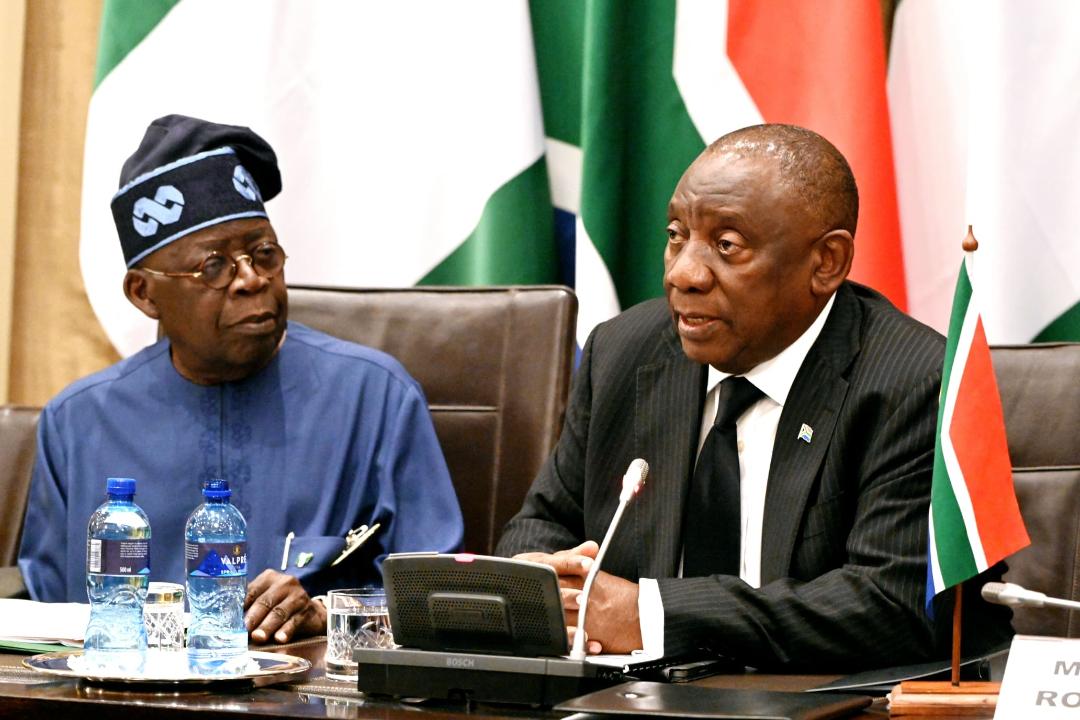
In a dramatic turn of events, Nigerian Stories took to its official X (formerly Twitter) handle to break the news: “JUST IN: South Africans demand their President Ramaphosa’s resignation over 5-year visa policy for Nigerians.” The announcement has sparked heated debates across Africa, drawing attention to rising tensions within South Africa over immigration and foreign relations.
The controversial visa policy, which grants Nigerians five-year multiple-entry visas, has ignited a storm of outrage among South Africans who perceive it as overly generous and detrimental to their national interests. Protesters argue that the policy could exacerbate unemployment, strain resources, and heighten social tensions in a country already grappling with economic challenges and widespread xenophobia.
Demands for President Cyril Ramaphosa’s resignation have grown louder, with critics accusing him of prioritizing foreign diplomacy over the welfare of South African citizens. Protesters have taken to the streets in major cities, wielding placards with slogans like, “South Africa for South Africans!” and “Ramaphosa must go!” The unrest underscores deep-seated frustrations over governance and immigration policies.
On the flip side, advocates of the visa policy, including some in Ramaphosa’s administration, argue that it is a step toward fostering stronger ties with Nigeria, Africa’s largest economy and a key trading partner. They believe the policy could boost bilateral trade, cultural exchange, and regional unity within the continent.
In Nigeria, the news has been met with mixed reactions. Some see the backlash as an affirmation of Nigeria’s growing influence on the continent, while others caution that the hostility underscores the precarious state of Nigerian-South African relations, already strained by past xenophobic attacks on Nigerians in South Africa.
Opinions have flooded social media, with users from both countries weighing in. A Nigerian commentator on X wrote, “This backlash just shows how far we have to go as Africans in embracing unity and collaboration. Why can’t we see these policies as an opportunity for growth rather than a threat?” Meanwhile, a South African user responded sharply: “Our leaders should focus on fixing home before pleasing neighbors. This visa policy is reckless and inconsiderate of our challenges.”
The controversy puts Ramaphosa in a precarious position. With elections looming and his leadership under intense scrutiny, the pressure to address public concerns without alienating Nigeria could define the trajectory of his presidency.
As the situation unfolds, the question remains: Can South Africa strike a balance between national interests and continental unity, or will this visa policy become another flashpoint in the struggle for African solidarity? Only time will reveal the political and diplomatic fallout of this unfolding saga.
 PIONEER NEWS