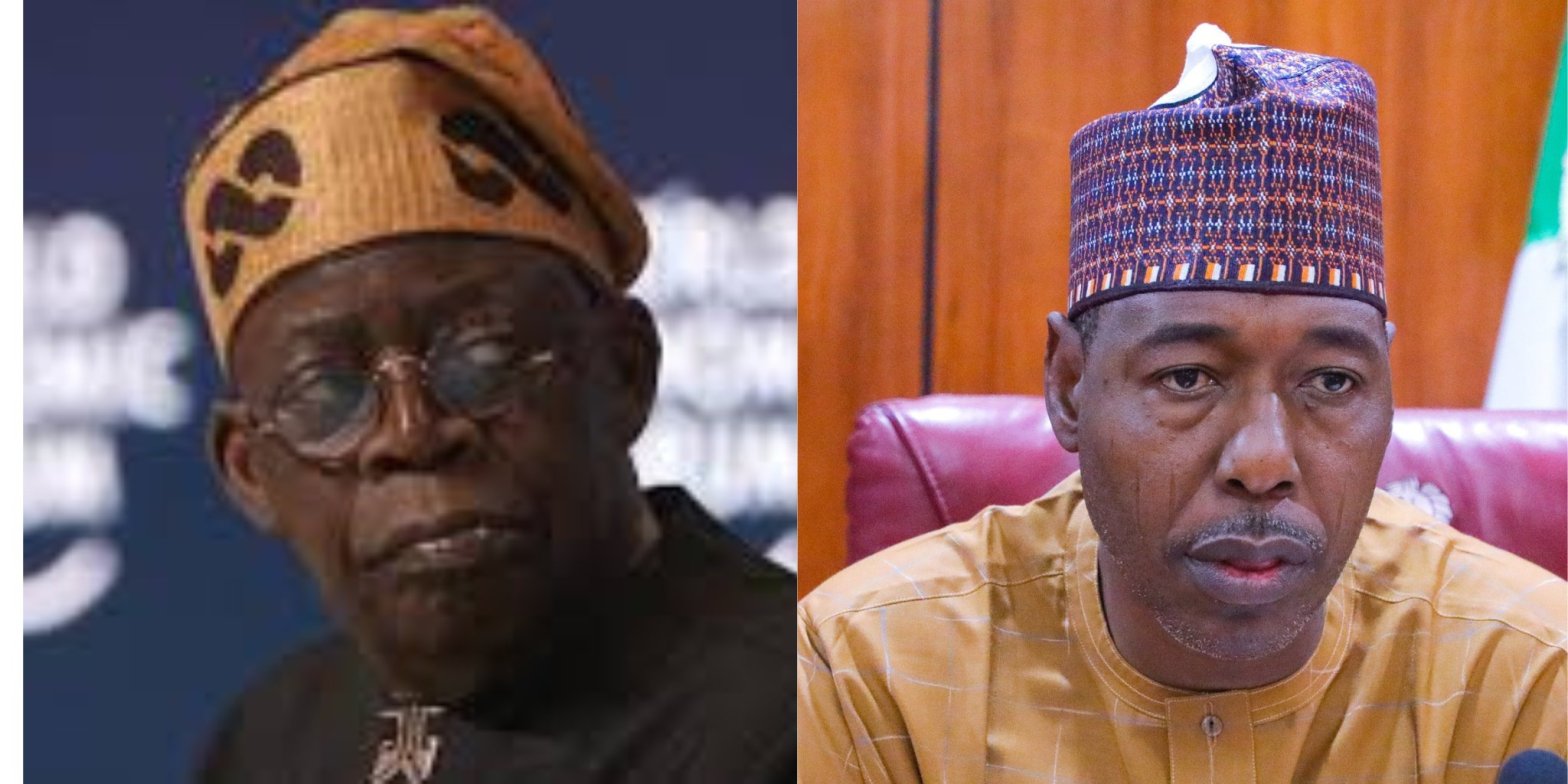
In a bold move to steer Nigeria toward fiscal sustainability, the presidency of Bola Ahmed Tinubu has called on state governors, including Borno State Governor Babagana Zulum, to embrace innovative strategies for revenue generation. The announcement, shared via Sahara Reporters’ official X handle, highlights the federal government’s push for governors to adopt proactive tax reform measures aimed at spurring economic development in their respective states.
The post, captioned “Tax Reform Bills: Tinubu Presidency Asks Borno Governor Zulum, Others to Put on ‘Thinking Cap’ and Grow Their States” and linked to a detailed article, underscores the administration’s drive to empower states to take charge of their financial future. The tax reform agenda is part of Tinubu’s broader economic blueprint to reduce over-reliance on federal allocations, stimulate local enterprise, and improve governance at the grassroots level.
This clarion call for innovation has sparked a wave of reactions from policy experts, economic analysts, and citizens alike. Many view it as a wake-up call for state governments to exploit their untapped resources, diversify income streams, and build sustainable economies.
Governor Zulum, known for his pragmatic leadership style, is expected to rise to the challenge. His administration has already gained national recognition for its developmental strides in education, infrastructure, and security. However, this new mandate may push the boundaries of what states can achieve in revenue mobilization.
The Tinubu presidency’s focus on tax reforms aligns with global trends emphasizing decentralization and fiscal autonomy. With the federal government grappling with debt burdens and inflation, empowering states to independently bolster their economies is seen as a critical step toward national recovery.
While some critics argue that the success of these reforms hinges on eliminating systemic corruption and ensuring transparency in governance, others commend the presidency for fostering a culture of accountability and innovation among state leaders.
As the nation watches closely, the performance of Governor Zulum and his counterparts could set the tone for a new era of state-driven development in Nigeria. Whether through improved tax collection systems, investment in local industries, or public-private partnerships, the governors’ response to this challenge will be a litmus test for the future of Nigeria’s federal structure.
This move by the Tinubu administration not only reiterates the urgency of reforming Nigeria’s tax policies but also serves as a rallying cry for all stakeholders to embrace a shared vision of economic resilience. The question remains: Will the governors rise to the occasion and deliver transformative change for their states? Only time will tell.
 PIONEER NEWS