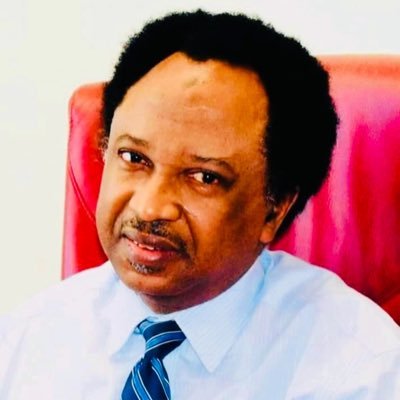
Renowned human rights activist and former Senator, Shehu Sani, has voiced strong concerns regarding the Federal Government’s recent dismissal of thousands of Nigerian graduates from universities in the Benin Republic. Taking to his official X handle (formerly Twitter), Sani highlighted the devastating impact of this decision on the affected individuals.
According to Sani, these graduates, who had already secured employment, built families, and contributed to society, are now facing a bleak future due to the government’s mass sacking. He described them as the “hardest hit” by the policy, emphasizing the ripple effects of their sudden unemployment on their families and communities.
In his impassioned plea, the former lawmaker urged the Federal Government to reconsider its stance. “I appeal to the Government to reconsider the sacking by creating an opening for them to make up with a Nigerian degree through the Open University system,” Sani proposed. He suggested that providing an opportunity for these graduates to align their qualifications with Nigerian standards would be a more humane and constructive approach to resolving the issue.
The controversy stems from allegations questioning the legitimacy and accreditation of some Benin Republic universities attended by Nigerian students. Critics argue that some of these institutions fail to meet international academic standards, leading to skepticism about the quality of their graduates. However, the abrupt nature of the dismissals has sparked outrage, with many questioning whether the government adequately considered the human and economic toll of its actions.
Sani’s call for a pathway to reintegration through the Open University system has garnered significant support online, with many Nigerians echoing his sentiments. Observers believe that adopting such measures could strike a balance between upholding academic standards and mitigating the adverse effects on affected graduates and their dependents.
This development highlights the broader challenges facing Nigeria’s education system, particularly the lack of capacity in local universities to accommodate the growing demand for higher education. It also raises questions about the need for a comprehensive review of foreign academic collaborations and policies to safeguard the future of Nigerian students studying abroad.
The Federal Government’s response to Sani’s appeal remains to be seen, but the urgency of the situation calls for a resolution that considers the welfare of all parties involved.
 PIONEER NEWS