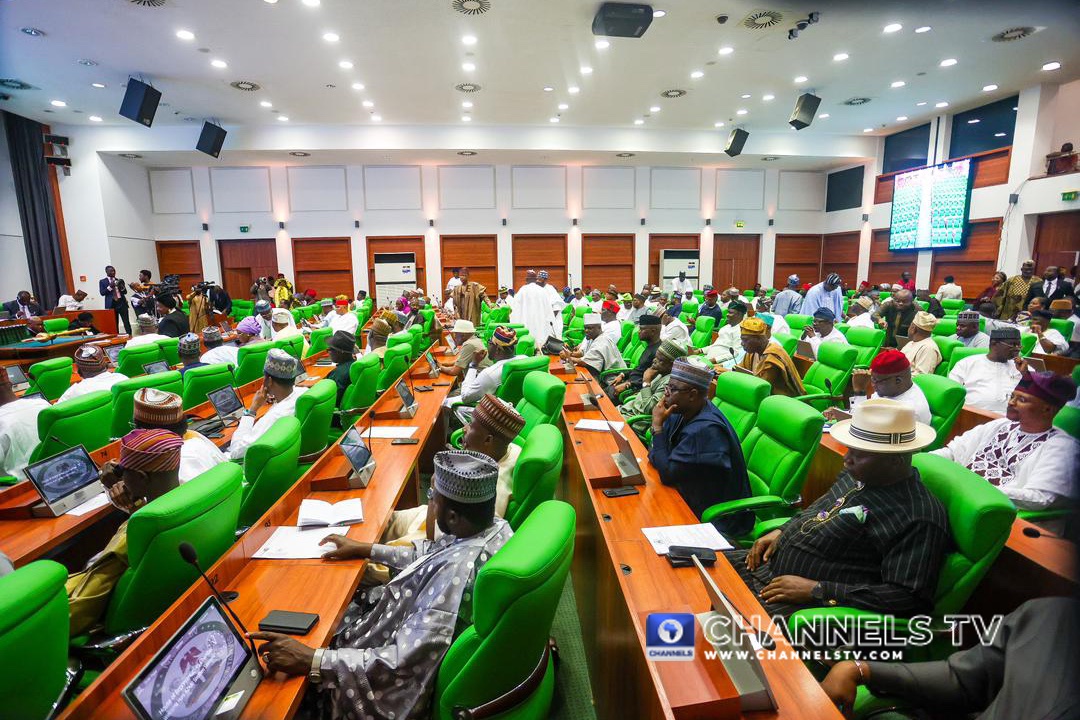
In a groundbreaking development, Nigerian Stories, a prominent news outlet, announced on its official X (formerly Twitter) handle the advancement of a significant legislative initiative. The bill seeking to amend Nigeria’s constitution to enable diaspora voting during elections has successfully scaled its second reading in the House of Representatives.
This momentous step signals a potential paradigm shift in Nigeria’s democratic landscape, as it moves closer to enfranchising millions of Nigerians living abroad. If passed into law, the amendment would mark a historic first, granting overseas citizens the opportunity to actively participate in shaping the nation’s political future from beyond its borders.
The bill’s progress is being widely hailed as a testament to the growing recognition of the Nigerian diaspora’s contributions to the country’s development, both economically and socially. With remittances from Nigerians abroad accounting for billions of dollars annually, many believe it is only fair to grant these citizens a say in national decision-making processes.
Reactions to the news have been swift and varied. While many applaud the initiative as a long-overdue step toward inclusivity and modernization, others question its feasibility and potential implications on the electoral process.
Key issues likely to dominate subsequent debates include the logistics of implementing diaspora voting, ensuring transparency and security in the process, and addressing concerns over representation and equity.
The bill’s passage through its second reading is a significant achievement, but the journey to enactment remains challenging. It will require further scrutiny, debates, and approval by both the House of Representatives and the Senate, as well as endorsement by at least two-thirds of the State Houses of Assembly across the federation.
If successfully enacted, the legislation could set a precedent for other African nations and strengthen Nigeria’s position as a leader in democratic reforms on the continent. It could also deepen engagement between the Nigerian government and its diaspora, fostering greater collaboration for national development.
As the bill progresses, Nigerians both at home and abroad will be watching closely, hopeful that this move brings the country one step closer to a more inclusive and participatory democracy.
What’s your take on diaspora voting? Do you think this bill will see full approval, or will logistical and political challenges derail its progress?
 PIONEER NEWS