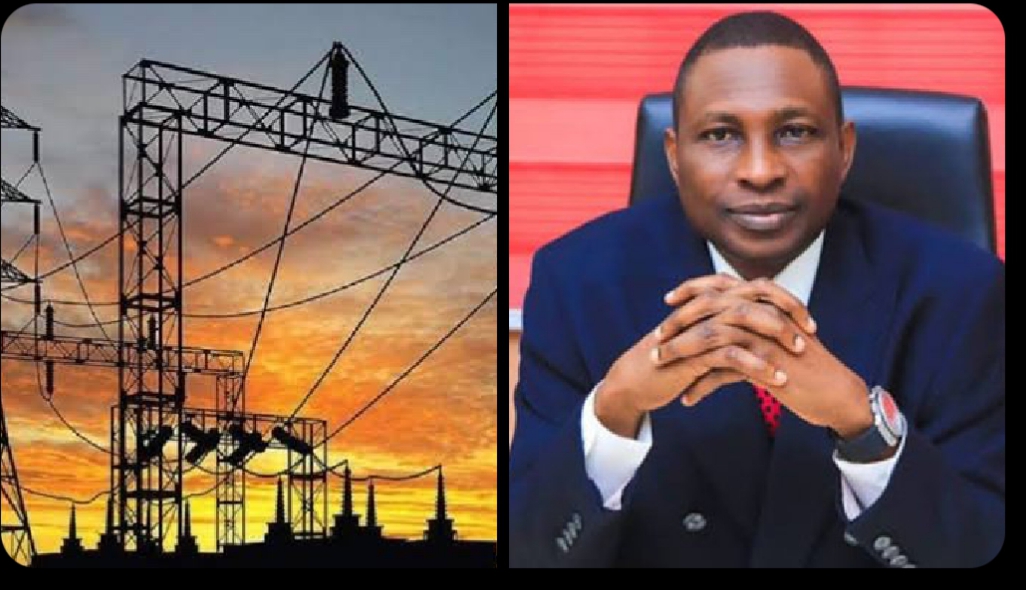
In a powerful revelation that has sparked widespread concern, the Economic and Financial Crimes Commission (EFCC) Chairman, Ola Olukoyede, has openly condemned the entrenched corruption within Nigeria’s power sector. Sharing his insights through the EFCC’s official handle on X (formerly Twitter), Olukoyede said the level of corruption plaguing the sector could “make people cry” if fully exposed.
According to Olukoyede, the power sector’s corruption is not just widespread but deeply embedded, affecting everything from infrastructure development to operational efficiency. He noted that billions of naira allocated for projects and improvements often vanish before reaching their intended purpose, leaving Nigeria’s power supply in a continual state of underperformance and scarcity.
“The power sector has been the heartbeat of Nigeria’s development dreams,” Olukoyede stated, “but the corruption within it has crippled progress, stolen opportunities, and dimmed the hope of countless Nigerians who long for reliable electricity.”
This statement has resonated widely with citizens, who have long questioned why Nigeria, despite decades of promises and massive investments, still struggles with chronic power shortages and frequent blackouts. Olukoyede’s comments seem to provide an answer, pointing directly at corruption as the root cause of these enduring issues.
In response, the EFCC has pledged to intensify its scrutiny of the power sector, hinting at upcoming investigations that could expose individuals and groups responsible for years of embezzlement and mismanagement. Olukoyede’s remarks suggest that the EFCC is not only prepared to unmask those behind these practices but also committed to restoring integrity to a sector vital for national development.
The statement has sparked discussions across social media, with Nigerians expressing shock, outrage, and a renewed demand for transparency and accountability. As public anticipation builds, many are eager to see if these revelations will lead to concrete actions and reforms to end the “power corruption epidemic.”
The EFCC’s stance marks a significant step in Nigeria’s anti-corruption efforts, promising a clearer look at the intricate corruption schemes that have kept a nation in darkness. As Nigerians await further developments, Olukoyede’s warning serves as a sobering reminder of the urgent need to cleanse the power sector for a brighter future.
 PIONEER NEWS