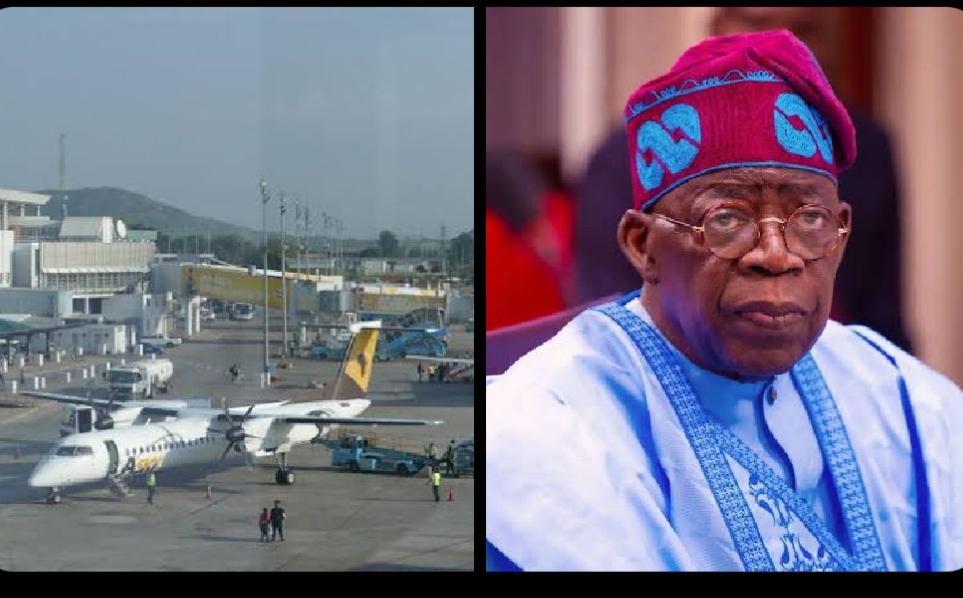
In a significant development, Nigerian Stories has taken to its official X handle to announce that the Federal Capital Territory Administration (FCTA) has greenlit a hefty N9.8 billion budget for the rehabilitation of Abuja Airport’s presidential wing. The announcement has sparked a lively debate among Nigerians, with some viewing it as a much-needed improvement to the nation’s capital, while others question the priorities of the administration, given the many pressing needs across the country.
The Abuja Airport’s presidential wing serves as the primary point of entry for visiting heads of state, foreign dignitaries, and top government officials. Advocates for the project argue that an upgraded facility is crucial for presenting a respectable image to international guests, especially as Nigeria seeks to strengthen its global partnerships and attract foreign investments. “We can’t expect foreign leaders to view Nigeria as a serious partner when they’re greeted by a facility that lacks modern amenities or is in disrepair,” commented one social media user in favor of the decision.
However, not everyone shares this enthusiasm. Critics argue that the N9.8 billion could have been allocated toward initiatives that directly benefit ordinary Nigerians, especially in light of the current economic hardship and widespread calls for improved healthcare, infrastructure, and security. “While our leaders get an upgraded facility, millions are struggling with basic amenities. Is this really where our resources should be going?” one frustrated citizen posted, encapsulating the sentiments of many who feel left behind by the administration’s priorities.
This announcement has raised pressing questions about government spending and the balance between projecting international prestige and addressing local needs. With public discourse intensifying, some wonder if this project might set a precedent for similar high-cost investments across other parts of the capital or, conversely, drive calls for greater accountability in government allocations.
With such substantial investment in a facility reserved for a select few, Nigerians are left to debate: Is this rehabilitation a necessary step toward elevating Nigeria’s global image, or a costly venture at a time when citizens are facing critical needs?
 PIONEER NEWS