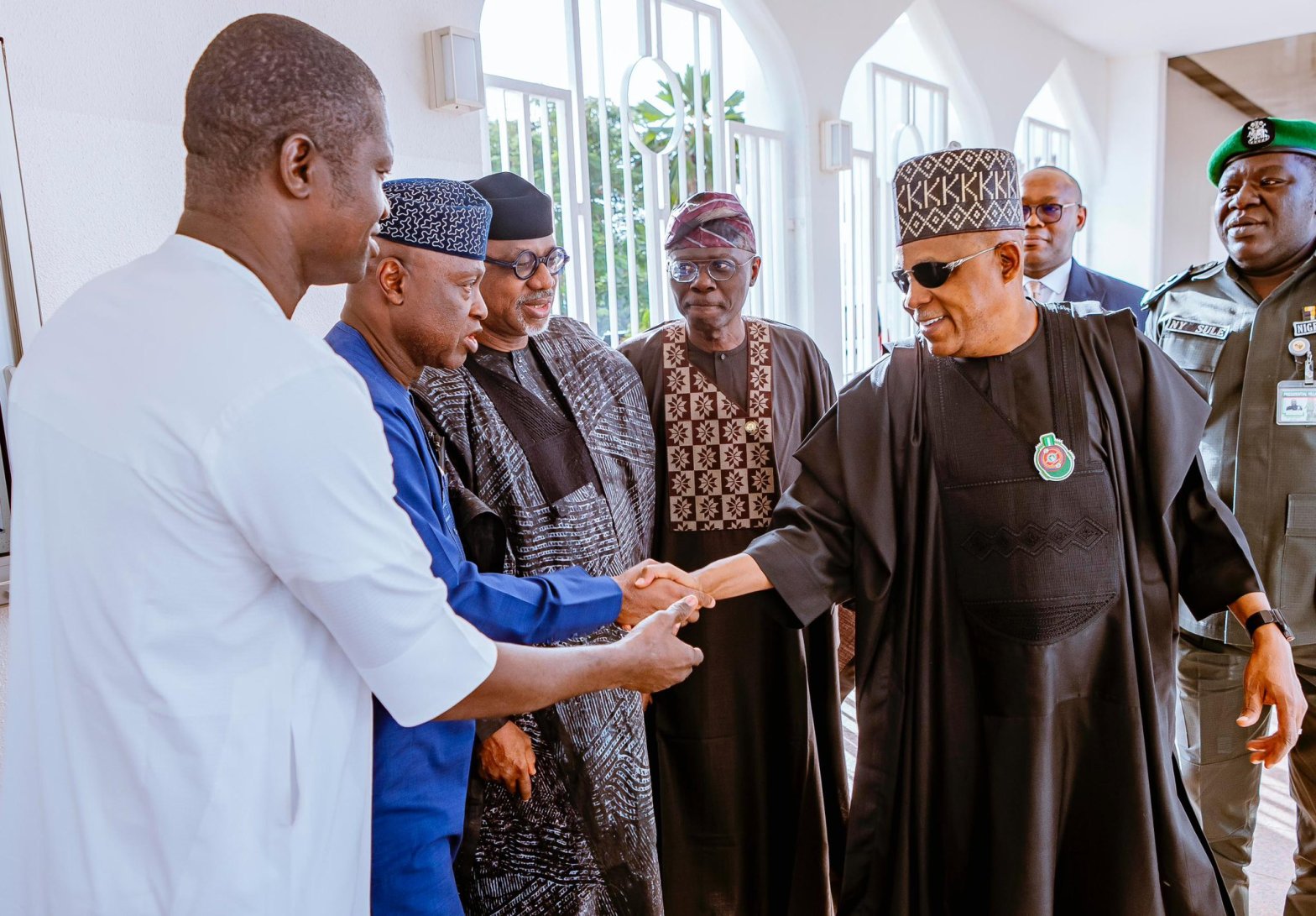
In a move aimed at fostering robust dialogue and building a sustainable fiscal future, Nigeria’s Vice President, Senator Kashim Shettima, has announced that the National Economic Council (NEC) has advised the temporary withdrawal of the current Tax Reform Bill from the National Assembly. This recommendation, shared through Shettima’s official X handle, marks a strategic shift towards deeper stakeholder engagement and consensus-building on the proposed tax changes.

The NEC’s recommendation followed a detailed presentation by Mr. Taiwo Oyedele, Chairman of the Presidential Fiscal Policy and Tax Reforms Committee, who highlighted the potential implications of the reform measures. With wide-reaching impacts anticipated for businesses, citizens, and the economy, the Council emphasized the necessity of a collaborative approach, ensuring the voices and concerns of all key stakeholders are factored into the final structure of the bill.
“The proposed tax reforms are essential, yet we recognize that an inclusive approach is vital to crafting policies that will resonate across sectors and yield enduring benefits for the Nigerian economy,” Shettima noted. He further underscored that NEC’s strategy aims to create a fair, balanced tax system that enhances revenue without stifling growth or overburdening taxpayers.

The decision to revisit the bill reflects the Council’s commitment to creating an economic landscape that is both progressive and equitable. By recommending the bill’s withdrawal for now, the NEC paves the way for rigorous consultation phases that will include discussions with industry leaders, economic experts, and public representatives.
With NEC’s endorsement, Vice President Shettima assured the public that the government remains focused on implementing tax reforms that will strengthen Nigeria’s fiscal resilience and economic growth while addressing pressing national challenges. He encouraged all stakeholders to actively participate in the forthcoming consultations to build a tax system that not only meets immediate revenue needs but also drives long-term economic prosperity.
As the NEC and government bodies recalibrate their approach, the move signals a progressive stance towards inclusive governance, ensuring Nigeria’s tax policy is a product of collective insights, crafted to serve the country’s vision for sustainable growth.
 PIONEER NEWS