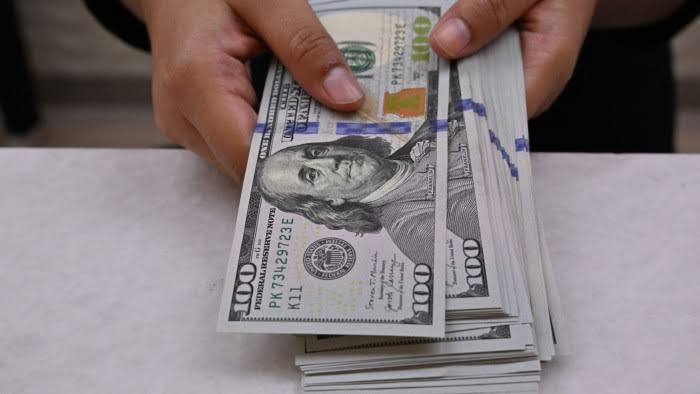
In a decisive move aimed at stabilizing the country’s foreign exchange system and tightening monetary regulations, the Federal Government of Nigeria has announced a bold ultimatum: individuals and entities holding U.S. dollars outside of the formal banking system have exactly nine months to deposit these funds into licensed banks. This mandate, effective as of October 31, 2024, was confirmed via an official announcement from Nigerian Stories on their X handle, sending ripples across financial and public circles.
The Federal Government’s directive comes amid growing concerns over the impact of “dollar hoarding” on Nigeria’s economy. As the naira has faced significant devaluation in recent years, demand for foreign currency, particularly U.S. dollars, has surged, leading many Nigerians to safeguard their wealth outside the banking sector. However, economists argue that this trend has only exacerbated the nation’s foreign currency shortages, driving up inflation and putting pressure on the economy.
With this nine-month timeline in place, financial analysts suggest that the government is looking to bring substantial sums of foreign currency back into the formal banking channels. The expectation is that this policy will help the Central Bank of Nigeria (CBN) manage foreign exchange reserves more effectively and potentially ease some of the pressures facing the naira.
Reactions to the ultimatum are already pouring in, with some applauding the government’s resolve to restore monetary order, while others express concerns over the feasibility and potential risks of enforcing such a policy. Critics warn that stringent measures might lead to a short-term scramble in the forex market, further impacting the value of the naira.
This groundbreaking announcement has sparked debates on social media and beyond, with citizens and financial experts alike speculating on how the government intends to monitor compliance and ensure that dollars flow back into Nigeria’s formal banking network. Will this bold move stabilize the economy or simply add another layer of pressure on the average Nigerian? The coming months will reveal if this ambitious initiative meets its goals—or triggers unforeseen consequences.
What are your thoughts?
 PIONEER NEWS