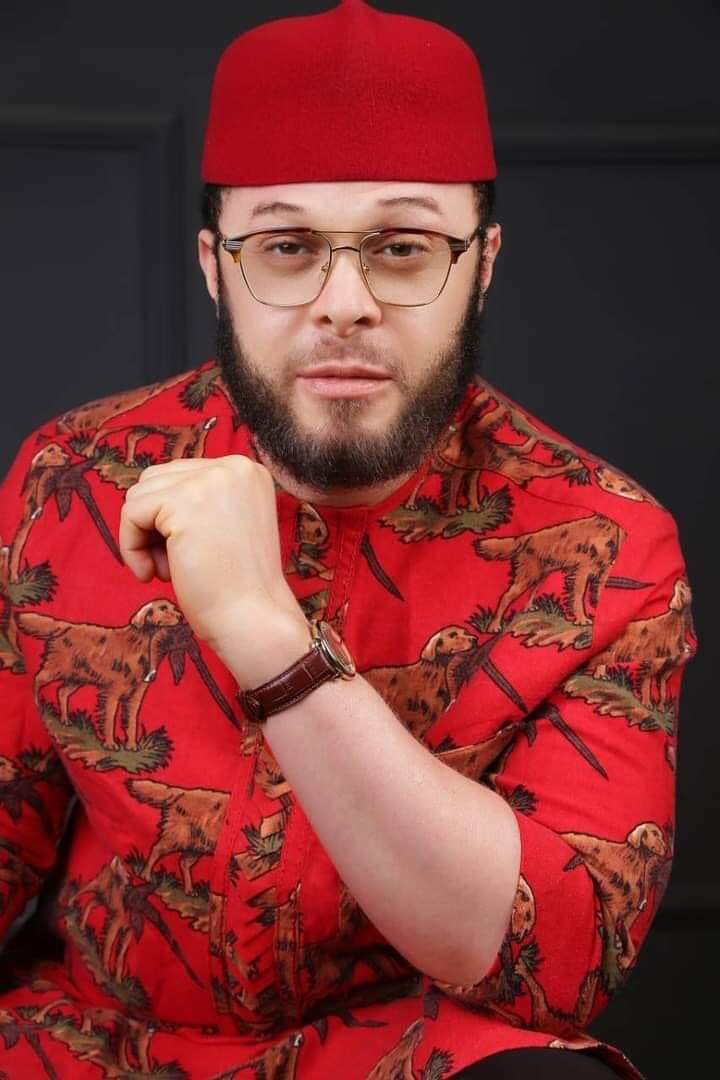
In a dramatic turn of events, Nigerian House of Representatives member Alex Ikwechegh has publicly apologized following his involvement in a highly controversial altercation with a Bolt driver. The apology, posted on Ikwechegh’s official X (formerly Twitter) account, comes amid a storm of public criticism and demands for accountability. Admitting to his misconduct, the lawmaker expressed remorse and acknowledged a need for counseling to address his actions.
However, this apology has done little to quell public outrage, with many X users questioning its sincerity. Some have called for a video recording of the apology, doubting the credibility of a brief social media post. A prevailing sentiment among social media users is that an official apology should be backed by visible action, rather than what some are calling “an empty statement.”
Adding fuel to the fire, prominent social media influencer Very Dark Man (VDM) has emerged as a champion of the Bolt driver, using his platform to demand justice and accountability. VDM’s strong stance in the driver’s defense has resonated with many Nigerians, who are applauding his efforts to ensure that public officials are held accountable. Calls for the lawmaker’s suspension have intensified, with users citing past cases where representatives faced disciplinary action for similar transgressions. “If lawmakers before him were suspended, why should Ikwechegh be an exception?” wrote one user, urging the House to demonstrate fairness and consistency in its disciplinary actions.
The lawmaker’s admission of needing counseling has also sparked debate. Some critics argue that counseling alone is insufficient, advocating instead for a formal disciplinary response from the House of Representatives. “An apology doesn’t erase the fact that a public servant crossed the line,” noted a public commentator, “and he should face consequences, as any citizen would.”
Ikwechegh’s office has yet to provide further clarification or release a video apology, as demanded by the public. Meanwhile, many are crediting VDM and other advocates for amplifying the driver’s story and highlighting issues of abuse of power among public officials. VDM’s advocacy has set a precedent, with some suggesting that social media influencers are playing an increasingly critical role in ensuring accountability within the government.
As public pressure mounts, the House of Representatives may be forced to take a stand, either by enforcing disciplinary measures or mandating corrective actions for the embattled lawmaker. Whether Ikwechegh’s apology will be enough to restore his public image remains uncertain. But one thing is clear: the Nigerian public has raised its voice, demanding justice and a higher standard of behavior from its elected officials.
 PIONEER NEWS