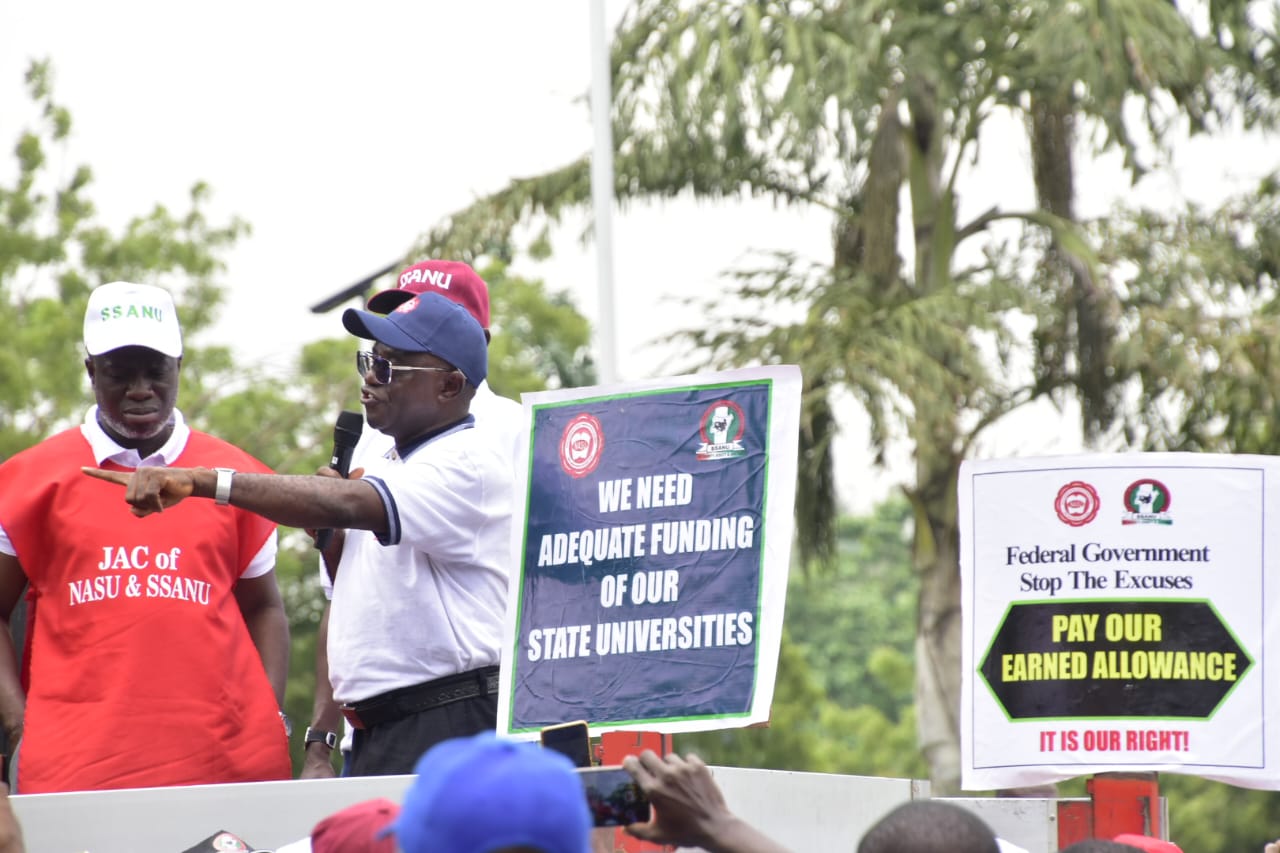
In a dramatic turn that threatens to disrupt the academic calendar nationwide, Nigerian universities are on the brink of a full-scale lockdown as university workers kick off an indefinite strike today. The announcement, shared by Nigerian Stories on their official X (formerly Twitter) handle, has sent shockwaves across the country, igniting concerns from students, parents, and faculty alike.
The workers’ strike, driven by a complex web of grievances over unpaid salaries, poor working conditions, and unfulfilled government agreements, is expected to grind academic activities to a halt. Classrooms are expected to be empty, laboratories locked, and administrative offices deserted, leaving the future of millions of students hanging in the balance.
Sources within the university community report that workers are resolute, demanding immediate government action to address long-standing issues that have plagued Nigeria’s higher education sector for years. “We can no longer work under these conditions; the government’s repeated promises have failed to yield any tangible results,” declared a union representative, underscoring the intensity and urgency of the strike.
The impending lockdown has sparked a flurry of reactions on social media, where concerned citizens are calling on government leaders to prioritize education funding and ensure a swift resolution. Students, some of whom are preparing for exams and critical academic projects, fear that prolonged strikes could derail their studies and future career plans.
For parents, the strike spells financial and emotional strain as they bear the weight of an educational system marred by instability. “We are at our wit’s end. How can our children compete globally when their education is repeatedly interrupted?” lamented a parent.
As the nation watches, all eyes are on the government to see if it will intervene to prevent a prolonged university shutdown. With no signs of a swift compromise, the unfolding strike could become a defining moment for Nigeria’s higher education system, calling into question the country’s commitment to investing in its future leaders.
This latest strike adds to a turbulent history of labor disputes in Nigerian universities and raises urgent questions about the sustainability of the nation’s education system. Will this standoff mark a turning point, or is it another chapter in a recurring cycle of instability?
 PIONEER NEWS