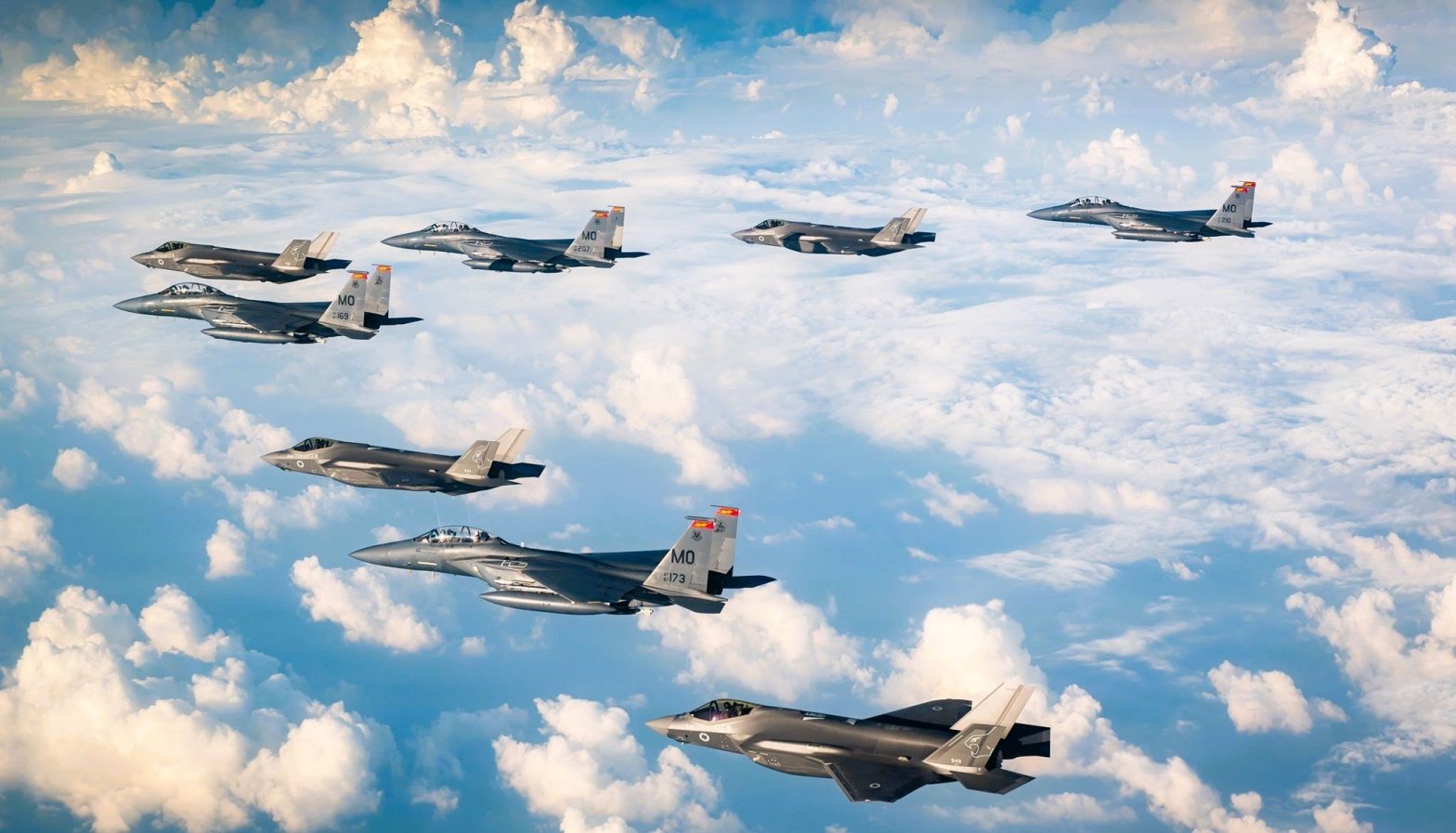
In a bold and unexpected escalation, the X platform user @TimesAlgebra announced today that Israel has launched a massive airstrike on Iranian military installations. The post, headlined as “BIG NEWS 🚨,” claims that over 100 Israeli fighter jets took part in the offensive, targeting a total of 20 strategic missile and drone facilities across Iran in three powerful waves.

According to the post, these “precise strikes” by Israeli forces struck critical locations believed to house Iran’s advanced missile and drone technology. The bold attack reportedly left Iran’s Supreme Leader Ali Khamenei in a state of shock, leading to his retreat to an undisclosed, secure location. Sources close to the Iranian leadership describe an atmosphere of high tension, as officials scramble to evaluate the scope of the attack and consider potential responses.
Israeli authorities have remained tight-lipped, refraining from confirming or denying the strike’s occurrence. However, regional analysts suggest that if true, these actions would signify a dramatic escalation in the already fraught relationship between Israel and Iran. Such a strike would likely be in response to Iran’s ongoing advancements in drone and missile technology, which Israel perceives as a direct threat to its security and regional stability.
The strike is being described by @TimesAlgebra as part of a long-standing strategic campaign by Israel to neutralize military threats posed by Iran’s expanding influence and capabilities in the region. The targeted attack on Iran’s drone and missile facilities could severely hamper its defensive and offensive capacities, marking a major blow to its military infrastructure.
While the world watches with bated breath, international leaders and experts are expressing concern over what might follow. With Khamenei’s whereabouts unknown and the Iranian leadership under pressure to respond, the incident raises questions about potential retaliatory measures and the risk of broader regional instability.
 PIONEER NEWS