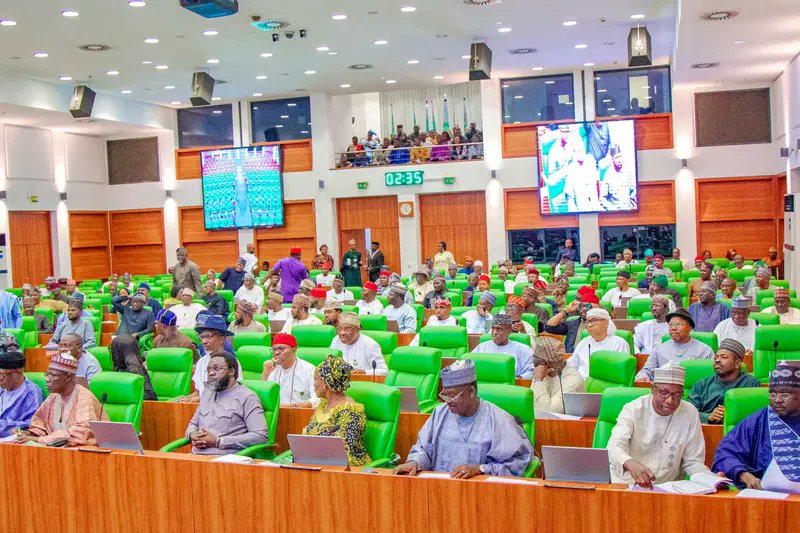
In a decisive move, Nigeria’s House of Representatives has voted against a bill seeking to expand the scope of Islamic law provisions in the nation’s 1999 Constitution (as amended). The announcement, made by Nigerian Stories on its official X (formerly Twitter) handle, has sparked nationwide interest, highlighting ongoing debates over the role of religious laws within the country’s legal framework.
The rejected bill aimed to broaden the influence and application of Islamic law, a proposal that stirred mixed reactions across political and religious lines. Proponents of the bill argued that it would strengthen the representation of Islamic legal principles for Nigeria’s Muslim-majority regions, potentially providing a tailored legal avenue for issues such as family law, inheritance, and personal disputes under Islamic jurisprudence.
However, the House of Representatives ultimately declined the proposal, pointing to concerns about maintaining constitutional uniformity and the secular integrity of the Nigerian state. Lawmakers opposing the bill voiced the importance of keeping religious laws in balance with Nigeria’s secular legal system, which serves a diverse population of religious and cultural backgrounds.
As the announcement reverberates across social media, reactions from Nigerian citizens, religious leaders, and legal analysts underscore the complex intersection of law, religion, and politics within Nigeria. Many applaud the House’s decision as a step toward unity and equal representation under a singular, inclusive legal system, while others view it as a missed opportunity to respect and empower religious communities within their specific legal traditions.
This latest development brings the spotlight back to Nigeria’s ongoing constitutional amendments and the crucial role of the legislature in shaping a cohesive yet inclusive national identity. The House’s decision represents not just a stand on Islamic law, but a reaffirmation of Nigeria’s commitment to navigating religious plurality with a single constitution designed to uphold the rights and beliefs of all its citizens.
 PIONEER NEWS