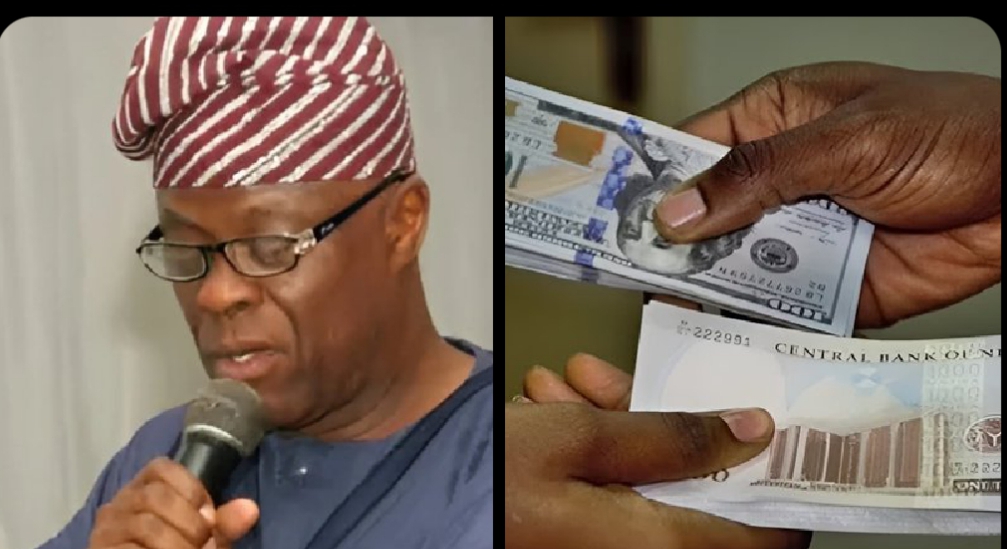
In a bold declaration aimed at revitalizing Nigeria’s economic landscape, Finance Minister Olawale Edun announced on Nigerian Stories’ official X handle that the government has a strategic plan to “de-dollarize” the Nigerian economy. This ambitious move seeks to alleviate the nation’s dependency on the U.S. dollar, ultimately bolstering the value of the naira on the global stage.
Minister Edun’s statement reflects the administration’s commitment to implementing transformative economic policies amidst a climate of intense currency volatility. “We have plans to de-dollarize the Nigerian economy to strengthen the naira,” Edun shared, hinting at a shift that could significantly impact import-export dynamics, foreign investment, and international trade.
The proposed de-dollarization strategy aligns with global trends, as countries increasingly seek to insulate their economies from fluctuations tied to the dollar. For Nigeria, a successful transition would mean reduced vulnerability to external economic shocks and greater economic autonomy. It also signals a push toward diversifying Nigeria’s currency reserves, incorporating other foreign currencies, and enhancing the use of the naira in international transactions.
Economic analysts view the announcement as a potential game-changer. While challenges remain, particularly in stabilizing the naira and restructuring the nation’s trade portfolio, Edun’s vision is seen as a first step toward a more self-reliant Nigeria. This shift could lead to increased confidence among local and international investors, who have long grappled with the impact of dollar shortages and currency fluctuations.
In the coming weeks, stakeholders in the financial and business sectors are expected to weigh in on the feasibility of the de-dollarization plan and its potential impact on Nigeria’s economic future. The country now watches with keen interest as Minister Edun and his team lay the groundwork for what could be one of the most transformative financial policies in recent history.
 PIONEER NEWS