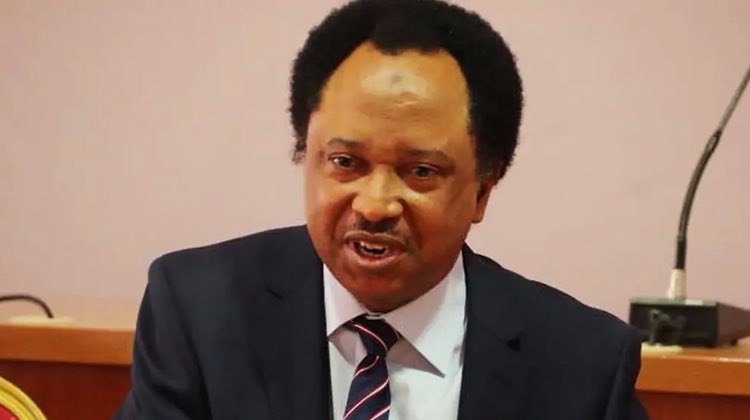
Renowned human rights activist and former Nigerian Senator, Shehu Sani, has once again stirred thought-provoking conversations with his sharp critique of global politics. Taking to his official handle on X (formerly Twitter), Sani addressed African nations in a message laced with wit and a hint of irony.
“Dear African Countries,” he wrote, “Why are you not sending your election observers to monitor the US elections and then compile and publish your reports?”
The statement, though brief, carries a profound challenge. African nations are frequently the subject of international scrutiny during their elections, with Western countries sending teams of observers to assess the integrity and fairness of their democratic processes. Sani’s pointed question flips the script, suggesting that perhaps the time has come for African nations to return the favor by scrutinizing the democratic processes of the United States.
Sani’s remarks have sparked widespread discussion, as they touch on broader issues of global power dynamics, sovereignty, and the double standards often applied to international politics. With the 2024 U.S. presidential election on the horizon, his comment raises an intriguing possibility—could African nations play a more active role in observing and critiquing Western democracies?
As expected, Sani’s post has garnered significant attention, with many applauding his boldness in calling out the imbalance in election monitoring. Others see it as a humorous reminder of the often unchallenged dominance of Western powers in global governance.
The former senator is known for using his platform to challenge established norms and provoke discussions on international relations, justice, and governance. His latest statement continues this tradition, raising important questions about who monitors the monitors in global democracy.
Whether African nations will take up Sani’s challenge remains to be seen, but one thing is clear: his words have once again ignited debate, reinforcing his reputation as a sharp and fearless critic of global political structures.
 PIONEER NEWS