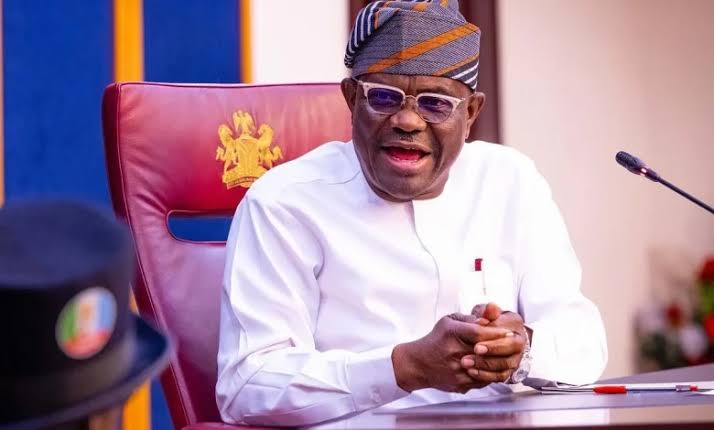
In a statement that has stirred debate across the country, Nigerian Stories, via its official X (formerly Twitter) handle, revealed that the Federal Government is set to impose a 25% tax on individuals earning ₦1.5 million and above. The announcement, made public by Nigeria’s Minister of the Federal Capital Territory (FCT), Nyesom Wike, underscores the government’s push to increase revenue amidst growing economic challenges.
Wike emphasized the need for high-income earners to shoulder greater responsibility in contributing to the nation’s fiscal recovery. “It’s time for Nigerians in the top income bracket to give back significantly. Those earning ₦1.5 million and above should expect to contribute 25% of their income to the nation’s coffers,” Wike remarked.
The move, however, has sparked mixed reactions from citizens. While some view the proposal as necessary for the country’s economic stability, others argue that it places an undue burden on professionals and entrepreneurs who are already grappling with inflation, rising costs of living, and insufficient public services.
Wike’s announcement also aligns with the administration’s broader tax reform strategy, aimed at diversifying government revenue streams away from oil dependency. Analysts suggest this move could generate substantial revenue but caution that its implementation may face significant backlash unless coupled with visible improvements in governance, infrastructure, and public services.
This bold proposal represents a shift in the Federal Government’s tax policy and raises key questions about its implications for Nigeria’s middle and upper class. Will this new tax regime stimulate development, or will it stifle the economic activity of those already contributing substantially?
As Nigerians wait for further clarifications and potential roll-out of the policy, one thing is certain: the debate on wealth redistribution and tax fairness has only just begun.
 PIONEER NEWS